



Who are Iraq's Kakai?
In an interview with Al-Monitor, Ako Shawais, the first political representative of Iraq’s Kakai minority, discusses why this sect is so secretive and its careful struggle for political and religious rights.

HALABJA, Iraq — The Kakais are one of the religious minorities scattered throughout northern Iraq in the provinces of Sulaimaniyah and Halabja, in the Ninevah Plains of Ninevah province and in villages to the southeast of Kirkuk. Historians and researchers disagree on their classification, as mystery and secrecy shroud this sect. Kakais have kept their beliefs hidden, and this secrecy has prevented them from forming their own independent political parties and gaining representation in the parliaments of the central Iraqi government and Kurdistan Region.
Kakais ethnically associate themselves with Kurds, but a group of them proclaims that the Kakais are a distinct community and demands political representation. The population has won a quota-mandated seat in the Halabja provincial council, occupied today by Ako Shawais.
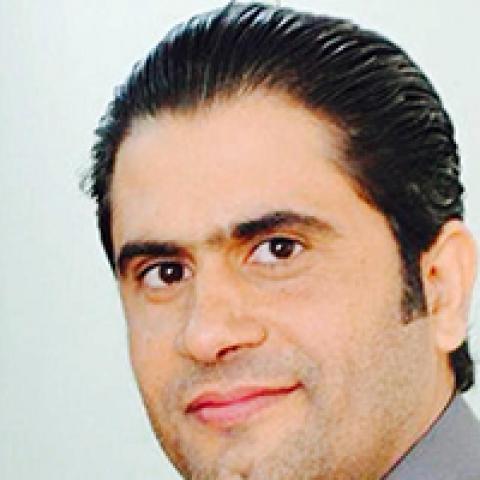
Shawais is a supervisor working at the Education Directorate in the province of Halabja in Iraqi Kurdistan and a human rights activist advocating the cause of the Kakais. He was chosen to be the Kakai representative in Halabja, the first such position in contemporary Iraqi and Kurdistan Regional Government (KRG) history.
In his interview with Al-Monitor, Shawais explained the circumstances under which he was chosen as the first representative of the Kakais in Halabja and discussed the limits of official recognition of Kakais and the dispute among the sect itself. One group believes that Kakaism is an independent religious identity, while another believes that it is part of Islam. Shawais laid out the differences between Kakais and Muslims in terms of rituals and beliefs with rare candor.


