



Saudi executions signal royal worries
Saudi Arabia's execution of 47 people, including a poplar Shiite cleric, point to the royal family's growing concerns about the kingdom's stability.
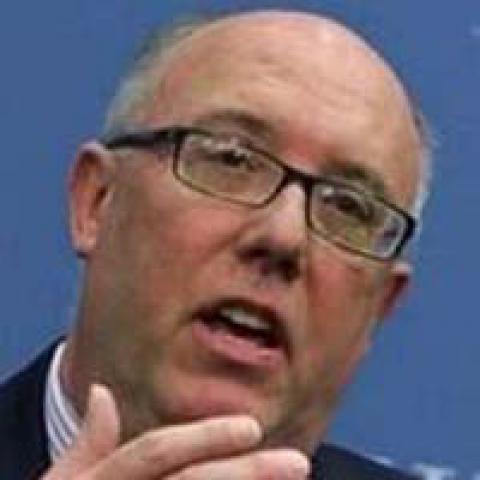

The executions of 47 accused terrorists in Saudi Arabia Jan. 2 and subsequent severing of relations with Iran underscore the Saudi royal family's deep concerns about stability in the kingdom. The mass executions are a warning that dissent will not be tolerated, especially by Iranian-supported dissidents.
The kingdom faces a potentially perfect storm of low oil income, open-ended war in Yemen, terrorist threats from multiple directions and an intensifying regional rivalry with its nemesis Iran. The most dangerous threat is economic. The Saudi welfare state — which provides subsidies for health and housing, cheap gasoline and free education — is already being cut back because of the large deficit between oil revenues and government spending. Last years' deficit totaled $98 billion and foreign reserves dropped from $728 billion to less than $640 billion. With Iranian oil returning to the market, Saudi revenues could be depleted even faster than anticipated in the 2016 budget.
The majority (43) of those executed were al-Qaeda members arrested a decade ago during the campaign to overthrow the monarchy ordered by Osama bin Laden in 2003. Before the executions, the Saudi Interior Ministry, led by Crown Prince Mohammed bin Nayef, conducted an extensive public relations campaign to remind Saudis and others of the brutal battle with al-Qaeda 10 years ago. Large amounts of material, including videos, captured documents and weapons, were declassified to help explain the threat.
Of course, al-Qaeda remains a major threat today. Its affiliate in Yemen, al-Qaeda in the Arabian Peninsula (AQAP), has grown considerably stronger in the last year due to the collapse of law and order in Yemen. AQAP controls most of Hadramaut province in the south, and has an extensive presence in and around Aden. Almost a year after it carried out the Charlie Hebdo attack in Paris, AQAP is stronger than ever.


