



Why one former IDF chief of staff may be heading for politics
Former IDF Chief of Staff Gabi Ashkenazi has just been cleared of a five-year legal affair and might be considering joining Israeli politics.
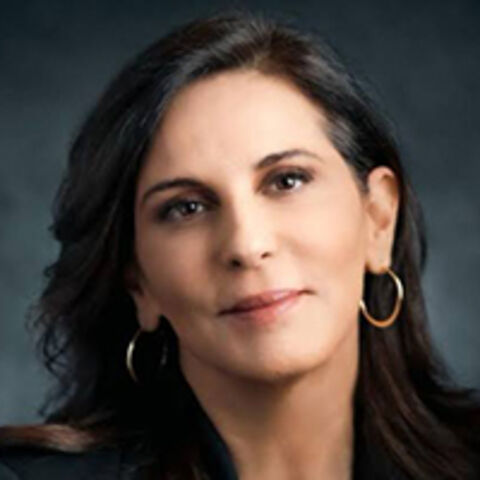

In the months that immediately followed the 2013 election, the Labor Party under Shelly Yachimovich was left licking its wounds after another resounding failure at the polls. At the time, former Chief of Staff Gabi Ashkenazi was mentioned as someone who could pull the party out of its morass and lead it back to power.
Proponents of the idea included former minister and then-Knesset member Binyamin Ben-Eliezer and the Chairman of the Histadrut Labor Union Ofer Eini. Both Eini and Ben-Eliezer were close to Ashkenazi, who ranked high in popularity polls. They both believed that he could extract himself from the public imbroglio he had gotten into as a result of his fierce disagreements with Minister of Defense Ehud Barak. Eini and Ben-Eliezer were supposed to be Ashkenazi’s turbo engines, when he ran in the primaries for head of the Labor Party. They planned to present the former chief of staff as an updated version of Yitzhak Rabin in 1992 and of Ehud Barak in 1999 — former generals appointed chair of the party who managed to bring the party back to power.
At the time, Eini and Ben-Eliezer also claimed, and rightly so, that the Harpaz scandal (allegedly involving Boaz Harpaz, an associate of Ehud Barak, and forged documents concerning Ashkenazi's successor) was only of interest to the press. The story was too convoluted to interest the public and affect its attitudes toward Ashkenazi. Polls conducted at the time, including polls immediately following the release of the first draft of the State Comptroller’s serious report about Ashkenazi in March 2012, proved that his popularity barely suffered as a result of the scandal. On the contrary, the public remembered him fondly for rehabilitating the Israel Defense Forces after the Second Lebanon War in 2006, with its controversial results. In other words, even after he got himself entangled in the Harpaz affair, Ashkenazi was still a hot political item. He had the reputation of a folksy figure who was not afraid of conflict, but also as someone with moderate political views. In the leadership vacuum in the center-left, Ashkenazi stood out.
Even with the law requiring military brass to have a “cooling off” period before they enter politics, Ashkenazi would have been eligible to run in February 2014. Nevertheless, he was in no hurry. He enjoyed being courted by politicians, and explained that he would not take any action until the entire Harpaz affair was over. That finally happened Jan. 20, more than five years after it all began. Attorney General Yehuda Weinstein announced that he would not be indicting Ashkenazi over the Harpaz affair. Nevertheless, it is not at all certain that the former chief of staff will indeed enter politics, and even if he does, it is still not certain that he will do so as part of the Zionist Camp (previous the Labor Party). Eini and Ben-Eliezer are no longer there to pave the way for him, and current Chairman Isaac Herzog has no intention of giving up his seat without a fight. Meanwhile, Herzog made do with tweeting congratulations to Ashkenazi now that the case against him has been closed.


