



Lebanon feels aftershocks of Saudi-Iran crisis
The current crisis between Saudi Arabia and Iran against the backdrop of the execution of Shiite Sheikh Nimr al-Nimr has already affected the strained relationship between Sunnis and Shiites in Lebanon, but will it reinforce Christian political ties?
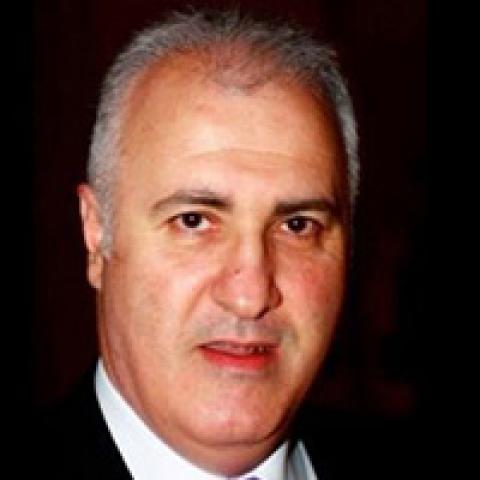

Did the execution of Saudi dissident Shiite cleric Nimr al-Nimr on Jan. 2 kill the opportunity that was on the table for the election of a new president in Lebanon? This question arises in light of the political developments in Beirut and the repercussions of the regional events on the Lebanese situation.
Since mid-November, negotiation efforts were deployed between Sunni majority leader Saad Hariri and member of parliament Suleiman Franjieh for the nomination of the latter as the new president of the republic. Had these efforts for a presidential settlement succeeded, this initiative would have ended the presidential vacuum that has been ongoing since May 25, 2014. The efforts started following a meeting held away from the spotlights in Paris on Nov. 17, 2015, between Franjieh, who is close to Hezbollah and Syrian President Bashar al-Assad, and former Lebanese Prime Minister Saad Hariri, who is close to Riyadh and is the leader of the Sunni majority in Lebanon.
Despite the slowdown of the presidential initiative in the final weeks of 2015, those who launched it remained somewhat optimistic. They insinuated that with the beginning of 2016, the agreement between Hariri and Franjieh — the details of which never came out in the open — may come to life, and it would be possible to see Franjieh filling the presidential seat in the first session of the Lebanese parliament to be held for this purpose, which was scheduled for Jan. 7, 2016.
However, on Jan. 2, Riyadh executed Nimr, causing successive reactions and repercussions in Beirut.


