



Ethiopian-Israelis fed up with false promises
Ethiopian-Israeli activists argue that the numerous governmental plans to integrate the community into Israeli society do not address the specific needs of the community members and often only channel funding elsewhere.

In September, a few months following the start of the widespread, intense protests by young Ethiopian-Israelis, the government made an encouraging announcement: The Ministerial Committee for the Advancement of Ethiopian Israelis announced that it would ask the government to authorize dedicated plans from the Ministries of Education, Health and Welfare, with an investment of 300 million shekels ($77 million). It seemed to be good news that could give hope to the Ethiopian community. But the community, burned by past disappointments, sees these plans as just the opposite. To them, it’s just an attempt to redirect funds that were previously promised their community to other goals.
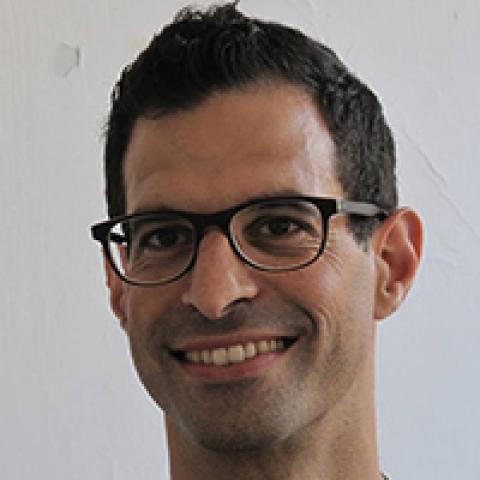
"The protest broke out because of police violence, after the video of cops beating the Ethiopian soldier Damas Pakada was circulated, but it's over much more than that," explains Fentahun Assefa-Dawit, the director of the Tebeka organization for the advancement of justice and equality for Ethiopians. He also serves as the chairman of representatives of Ethiopian organizations. “There’s an ongoing failure in that budgets that are authorized are not used. Money isn’t lacking, but there’s a lack of planning. If we don’t change this now, in 10 years you’ll interview me again and ask why the situation hasn’t improved.”
Assefa-Dawit notes that this isn't the first time the government has announced enormous budgets for the Ethiopian community. “In recent decades they’ve come up with all sorts of grandiose plans,” he explains. “For example, the national project to absorb Ethiopian immigrants was budgeted at $660 million, but the supervision of its implementation was flawed and at the end we got nothing. Or the five-year plan from 2008, which was budgeted at 800 million shekels [$206 million], but its housing plan, for example, ended up helping only a handful of families.”
The state comptroller's 2013 report on the integration of Ethiopians in Israel harshly criticized the implementation of the various projects, exactly as Assefa-Dawit describes it: “Plans and funds are invested, but lacking coordination, significant resources are scattered over many different plans without examining their effectiveness. This creates enormous waste, and at times, resources intended for the Ethiopian community are 'absorbed' into double overheads, while other resources intended for them are hardly used,” wrote Comptroller Joseph Shapira.


