



Ocalan niece's swearing-in ceremony marks milestone for Kurds
The niece of PKK leader Abdullah Ocalan made her debut in parliament last week in a striking illustration of how the Kurdish struggle has progressed and transformed Turkey over the years.
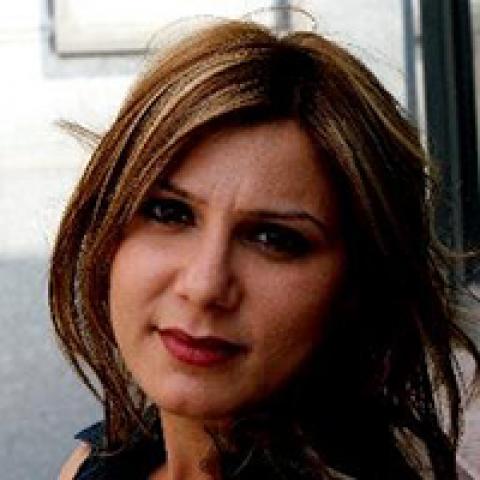

In 1991, iconic Kurdish activist Leyla Zana became the first Kurdish woman elected to Turkey’s parliament. While taking the oath, she uttered a few Kurdish words that were to alter her life. In the ensuing chain of events, Zana and several fellow Kurdish lawmakers were expelled from the legislature. She had her parliamentary immunity revoked and found herself in prison for a decade.
The nationalistic uproar Zana caused in parliament was frequently evoked last week, when another remarkable Kurdish woman took her parliamentary oath. Dilek Ocalan — the niece of Abdullah Ocalan, the jailed leader of the Kurdistan Workers Party (PKK) — was among 80 members of the Kurdish-dominated Peoples’ Democratic Party (HDP) who assumed their seats in the new parliament. Ocalan’s sheer presence in the legislature comes as a striking illustration of how far the Kurdish struggle has progressed and transformed Turkey since the days Zana was booed for simply speaking in Kurdish.
Dilek Ocalan is the daughter of Fatma Ocalan, the sister of the PKK leader who's serving a life sentence on the prison island of Imrali. A 27-year-old university graduate, she has been forced to shoulder the burden of her surname since her childhood. With politics omnipresent in her life, she served in the party assembly of the HDP’s predecessor, the Peace and Democracy Party, focusing closely on women’s rights. She has been active also in nongovernmental groups and the HDP’s women's branch, which nominated her for parliament from her native province of Sanliurfa.
In the 2011 elections, the ruling Justice and Development Party (AKP) won 10 seats in Sanliurfa, while the Kurdish movement had only two. The HDP’s historic showing in the June 7 polls altered the balance. The HDP won five seats, and the AKP seven.


