



Palestinian leadership faces foggy future
A lack of progress in the peace talks, the absence of reconciliation and an aging president have once again forced discussion on the future of Palestinian leadership.
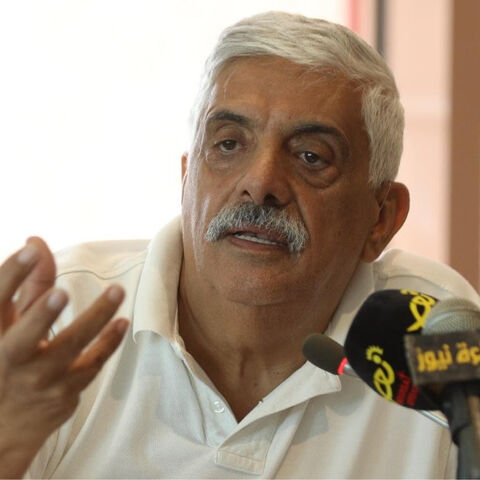

The June 30 decision by Palestinian President Mahmoud Abbas was swift, but the meaning and ramifications of it might be long lasting. The secretary-general of the Palestine Liberation Organization (PLO) executive committee, Yasser Abed Rabbo, was relieved of his role and later replaced by another executive committee member, Saeb Erekat, based on Abbas’ request. News organizations reported July 4 that chief PLO negotiator Erekat had been appointed by a presidential decree as acting secretary-general of the organization.
Earlier, on June 21, another decision by the Palestinian leadership to investigate former Palestinian Prime Minister Salam Fayyad, regarding funds he raised from the Gulf in support of needy Palestinians, raised eyebrows.
On June 21, his bank accounts were frozen on unproven accusations of money laundering. No one has been able to explain the reasons behind both these decisions, except to point to the possibility of extreme worry by Abbas and his entourage of an effort to replace him.
These two decisions, along with the general international community’s lack of interest in resolving the Palestine issue, have brought to the forefront the need for a serious discussion about the topic of Palestinian succession. Abbas is 80, yet no vice president has been named nor has any single Palestinian leader been groomed to possibly replace him.


