



Gaza women shed veil, spark conversation
Journalist Razan Madhoon has stirred debate about religiosity in the Gaza Strip by posting pictures of herself unveiled on Facebook.
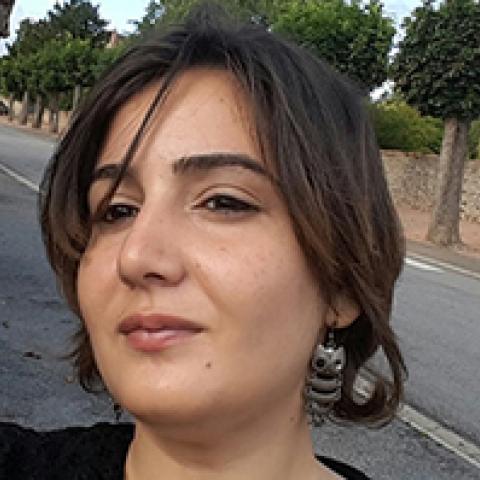

GAZA CITY, Gaza Strip — Two weeks ago, journalist and film director Razan Madhoon took off her veil and posted her picture on Facebook. The move stirred a fierce backlash of comments against her and her husband, who supported her decision.
Some people even called on to return to Islam, as though taking off her veil were on par with forsaking religion. Madhoon and her husband are known for their Muslim background in the journalism world.
Madhoon’s decision came as a shock for the Gaza public, given the region's rising religiosity. Women wearing the veil or niqab and frequenting mosques have become commonplace in the Gaza Strip. This phenomenon calls for an analysis of its underlying reasons. Is it because society is conservative that people are prone to be more religious, or because a movement affiliated with political Islam is in power? Have the wars and experiences with death drawn people closer to religion?
Sheikh Abdel Aziz Aoude told Al-Monitor, “Our society has always been religious, whether it was ruled by an Islamist party or not.” He added, “Perhaps religiosity in Gaza is only in form and does not include real social and cultural indications. For instance, praying is related to decency and order, but unfortunately the lives of religious people are chaotic, and this religious notion is not reflected in the rhythm of their [daily] lives.”


