



Israel Arabs will look to Bibi's actions, not words
Arab Israelis wait for Prime Minister Benjamin Netanyahu to prove his regret over his insulting statement on Election Day, and to allocate the needed resources to improve their situation.

The recent election campaign left pollsters and many of the country’s political commentators surprised and confused. Despite the forecasts, Prime Minister Benjamin Netanyahu enjoyed a landslide March 17 even in sectors where pollsters and commentators had assumed were “disappointed” with the Likud Party and wanted to punish him. After final results came in, the pollsters who failed to predict the voting trends talked about “undercurrents.” But what seems most surprising is the fact that the Likud Party and Netanyahu received many votes from the Arab sector, too. While Arab Israelis did not vote in great numbers for the Likud, casting their ballots for the Joint List by a large margin, analysis of the data suggests there was almost not a single Arab community where the Likud got zero votes. In many communities, and not just the Druze communities, known to be loyal to the party in power, the percentage of those who voted for the Likud ranged from 3% to 5% of the vote (Muslims, Druze, Bedouins, Christians and Circassians.)
On March 23, Netanyahu invited to his residence in Jerusalem more than 100 Arab council heads as well as activists from the Arab sector to mend fences and explain himself. What the media was mostly focused on was Netanyahu’s first public apology for what he had said at noontime on Election Day, urging Likud supporters to save his candidacy because Arabs were voting “in droves.” The meeting at the prime minister’s residence was also attended by Likud activists in charge of canvassing votes in the Arab sector.
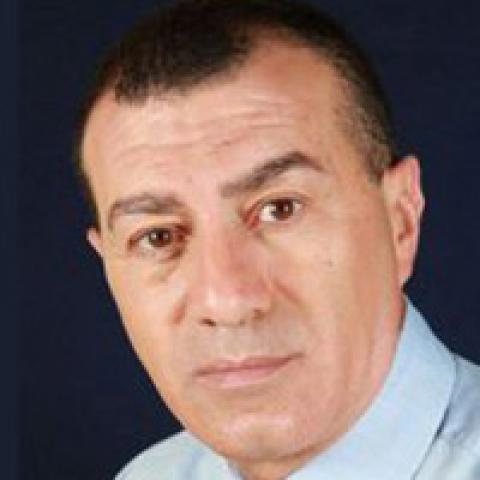
One of the prominent participants at this meeting was Hussein al-Heib, the council head of Tuba-Zangariyye, a Bedouin community of 6,000 in the north of Israel. More than 76% of the voters in his community cast their vote for the Joint List, yet the Likud garnered 62 votes or 3.5% of the voters. Left-wing Meretz only received 17 more votes than the Likud. Incidentally, one other interesting figure is that the two ultra-Orthodox Jewish slates, Shas and Yahadut HaTorah, each got 1% in Tuba-Zangariyye.
“Arab Israelis make up 20% of Israel’s population and they don’t all vote for the Arab parties,” says al-Heib. “Many people follow their personal interests and are not just ideologically motivated. People in the Arab communities that voted for the Zionist parties have relatives or activists who worked to rally voters for them. Here at Tuba, the majority voted for the Joint List, but they also voted for other parties, including not an insignificant number for Likud.”


