



Disputed Alawite village caught between Israel, Hezbollah
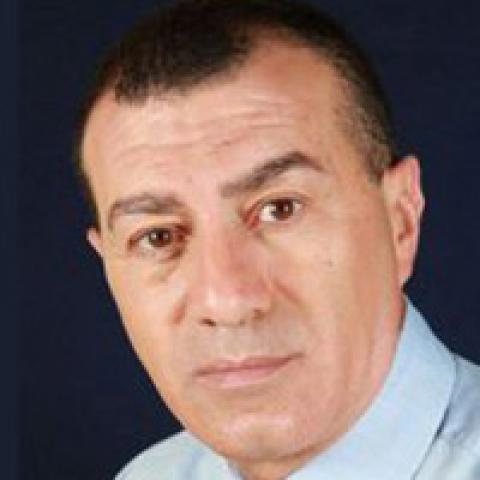
In an interview with Al-Monitor, Bilal Khatib of the Ghajar municipal council explains the unique situation of the village; located on the Israel-Lebanon-Syria border and residents' fear of being targeted.

A day after the Jan. 28 Hezbollah attack on an Israel Defense Forces (IDF) convoy on Mount Dov, in which two soldiers were killed and seven injured, residents of Ghajar have yet to resume their routine. Some 2,400 people live in the small village straddling the Israel-Lebanon border, all members of the Alawite sect. Ever since the village was captured by Israel from Syria in the 1967 Six-Day War, the villagers have been defining themselves as Syrian nationals residing in Israel. In 1982, Israel designated the village a local council after annexing it under the Golan Heights Law.
Life in the village is one of perpetual, heavy concerns. Hezbollah Secretary-General Hassan Nasrallah claims Ghajar and the adjacent Shebaa Farms (Mount Dov) as occupied Lebanese territory. Ever since Israel’s withdrawal from Lebanon in May 2000 residents have been afraid that the village, or even part of it, will be handed over to Lebanon, given that UN representatives determined that the historic border runs right through the village — with part being Israeli territory and another part Lebanese.
In November 2010, the Israeli Ministerial Defense Committee adopted a proposal by the commander of UNIFIL to withdraw from the village, but the civil war in Syria and the chaos in the country halted Israel’s redeployment along the border. For their part, residents of Ghajar object to division of the village. This week, they received an additional threatening and violent reminder from Hezbollah, once again bringing the issue of Ghajar to public awareness.
The head of the local council, Ahmed Fatli, was busy this week rushing from meeting to meeting with Israeli defense officials and villagers in an effort to restore calm. In case of an escalation, he promised them that the IDF will ensure their safety and even evacuate them in an emergency. “I make sure to reassure my residents, this is now my most important task,” he said in a phone conversation before rushing off to another meeting.


