



Kurdish victory in Kobani defeat for Turkish policy
Turkish President Recep Tayyip Erdogan has expressly ruled out the northern Iraq model for Syria's Kurds.

“Kobani is free. Ocalan is next,” thousands of Kurds chanted across Turkey, Iran, Iraq and Syria when they celebrated the liberation of Kobani on the Syrian-Turkish border after 133 days of bloody war against Islamic State (IS) fighters.The hard-earned victory there is seen as a watershed in the Kurds’ decadeslong struggle for ethnic rights. But some analysts say the most immediate winners are the Kurdistan Workers Party (PKK) and its imprisoned leader Abdullah Ocalan, and the losers are not just IS but Turkey as well.
The PKK and its Syrian affiliate, the People's Protection Units (YPG), have spearheaded the battle against the jihadists in Iraq and Syria, outshining the Iraqi Kurdish peshmerga fighters who fled when IS overran Shengal last summer. An increasing number of Iranian Kurds are rallying to the Syrian Kurds’ defense, spelling further politicization among Iran’s restive Kurds. But in the short term, the support serves Iran’s purpose of weakening IS and Turkey while exporting its Kurdish problem beyond its own borders — a tactic also used by late Syrian President Hafez al-Assad, who allowed Ocalan to live and organize in Syria. With a network spanning Europe, North America and the Middle East, the PKK is arguably the most influential Kurdish movement in the world.
Its gains extend beyond the battlefield to the diplomatic arena. For the first time, the United States is overtly cooperating with the PKK, despite its continued inclusion on the State Department’s list of terrorist organizations. Unremitting US-led coalition airstrikes against IS targets in and around Kobani tipped the battle decisively in the Kurds’ favor.
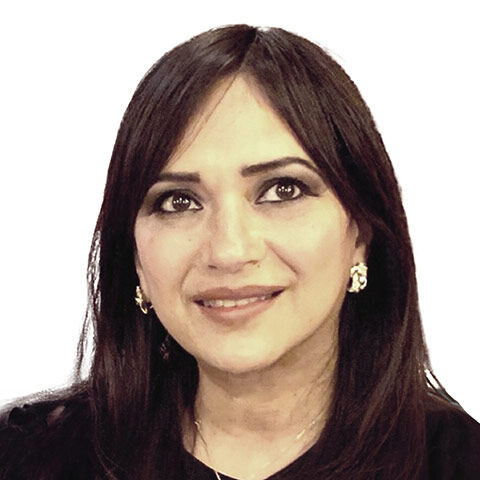
Asiyah Abdullah, co-chairwoman of the YPG’s political wing, the Democratic Union Party (PYD), confirmed that the Kurds had defeated IS in Kobani. She told Al-Monitor in a telephone interview, “The US airstrikes were extremely helpful.” Abdullah emphasized, however, that the campaign against the jihadists was continuing. “Our forces are now concentrating on winning back surrounding villages,” she said. The US Central Command said Kurdish forces control 90% of Kobani. “While the fight against [IS] is far from over, [IS'] failure in Kobani has denied them one of their strategic objectives,” Central Command said in a statement.


