



Will Davutoglu say anything new at Davos?
All ears will be on Ahmet Davutoglu at the World Economic Forum, as he will be the first Turkish prime minister to address it in six years.
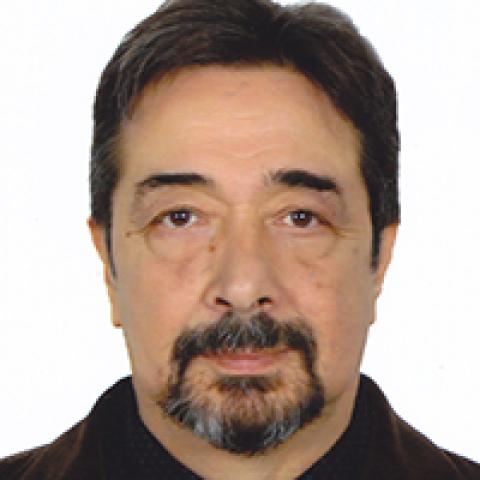

Turkish Prime Minister Ahmet Davutoglu is due to travel to Davos on Jan. 21 to attend the annual meeting of the World Economic Forum (WEF), a gathering widely considered to be the greatest brainstorming session attended by international leaders. He is no stranger to Davos, of course, having attended it last year in his capacity as foreign minister.
What makes it different this time is that he will be speaking as the prime minister of Turkey, which means it will be the first time Turkey is represented at this level at Davos in six years. Prime Minister Recep Tayyip Erdogan — who became president in 2014 — stormed out in 2009, vowing never to return to Davos, after delivering his by now well-known diatribe against Israeli President Shimon Peres over Israel’s operation in the Gaza Strip in late 2008.
That unique demonstration of unrestrained anger at Israel in front of the international community by any Islamic leader had gained Erdogan much admiration in the Arab world, with ordinary Arabs going so far as to name their newborn children after him.
It also raised Turkey’s profile in the eyes of Arab regimes in ways that appeared to justify Davutoglu’s ambitions as foreign minister of making Turkey a key regional player.


