



Bennett went too far in plan to reshape his party
The HaBayit HaYehudi chairman failed this week in transforming the traditional image of the party — from a sectorial, religious male-dominated one to a young, vibrant and an all-Israel party.
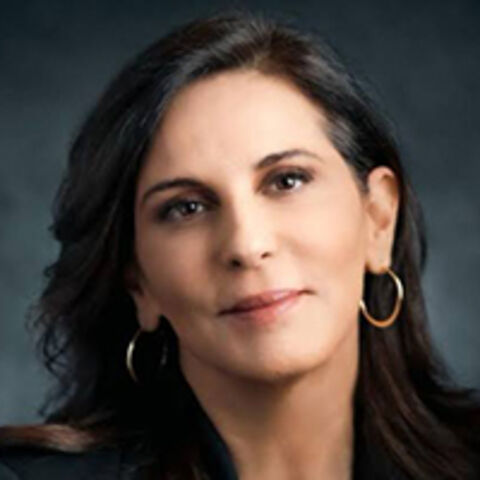

“HaBayit HaYehudi has been accessible to all the people of Israel for a very long time now. This debate is over. When we have a secular woman in the No. 1 spot on the list, followed by Rabbi Eli Dahan, Yinon Magal and Ronen Shoval; when we have people from the army; when we have Ashkenazi and Sephardic [of Middle Eastern/North African origin] Jews; men and women; young and old — the dream has already come true.” Naftali Bennett, chairman of the HaBayit HaYehudi Party, wrote this in a Facebook post on Jan. 30, after former soccer star Eli Ohana announced that he was leaving the party, just three days after Bennett pulled him out of nowhere as a winning card: Ohana is a Mizrahi (Middle Eastern) Jew, a Likud supporter, traditional, successful, popular and secular.
For Bennett, whose personal vision involves becoming prime minister of Israel, Ohana was supposed to hide the true face of HaBayit HaYehudi as an Ashkenazi party relegated to a specific sector, and to help it become Likud II. Bennett estimated that through this transformation, HaBayit HaYehudi could replace the Likud, and he could take over the prime minister’s office.
But vision is one thing and Facebook posts are another. It doesn’t really matter how much Bennett tells everyone that HaBayit HaYehudi is a party of the people with a little bit of everything. It doesn’t matter how much he tries to hide the messianic settlers and the homophobes, who fill respectable positions in his party. This week, it became clear that there is HaBayit HaYehudi, and then there is Bennett.
The Ohana episode with HaBayit HaYehudi was more than just another embarrassing incident for the party's chairman. It has far-reaching consequences and will obligate him — as someone aiming to be prime minister — to make a significant change to his plans, both in the short term and the long term.


