



Iraqi state education increasingly religious
The state curriculum in Iraq has long been subject to sectarian, political and religious pressure, but education quality is suffering now more than ever.

BAGHDAD — Lamia Hassan is a science teacher at a primary school in Babil. She explains natural phenomena in religious terms, such as “the science of God” and “the ability of the creator” when teaching topics such as rain and man’s journey to the moon. She told Al-Monitor that she works in accordance with “school directives, which focus on the role of religion in the school curriculum.”
According to Lamia, “Clerics randomly visit the school and give their thoughts about the need to guide the students to abide by the teachings of Islam.” As one result of the religious influence on education in Iraq, the school has segregated boys and girls since 2003. Before 2003, when Saddam Hussein’s regime fell, school segregation was less common. Clerics considered Saddam’s regime secular.
Observers of educational and cultural affairs in Iraq see a major struggle between two approaches: the religious education promoted by seminaries, councils, on TV and at home, and state education in public schools.
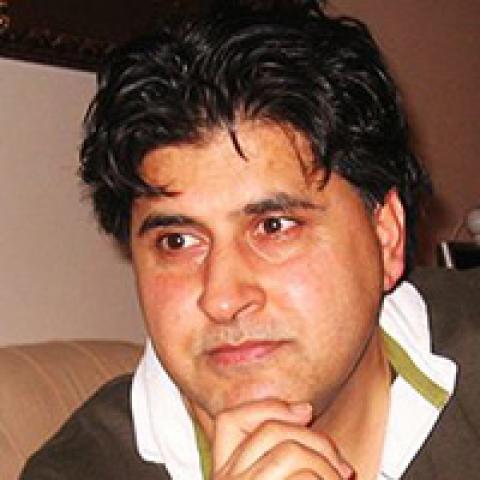
In an interview with Al-Monitor, social scientist Suad al-Khafaji said, “Social education directed by religious belief makes the citizen — since childhood and even before entering school — subject to accepting religious interpretations of events and phenomena, and makes his life conform with religious teachings. So the subject starts believing that every natural or social phenomenon should be subject to the religious gauge.” He added, “This automatic faith promoted by a religious agenda has Islamized education. [Religion] has succeeded in penetrating the state educational curriculum to a great extent.”


