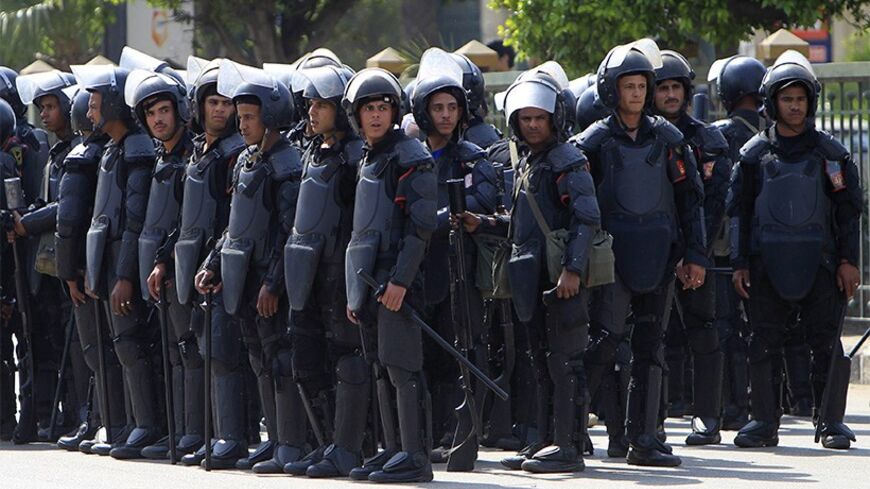
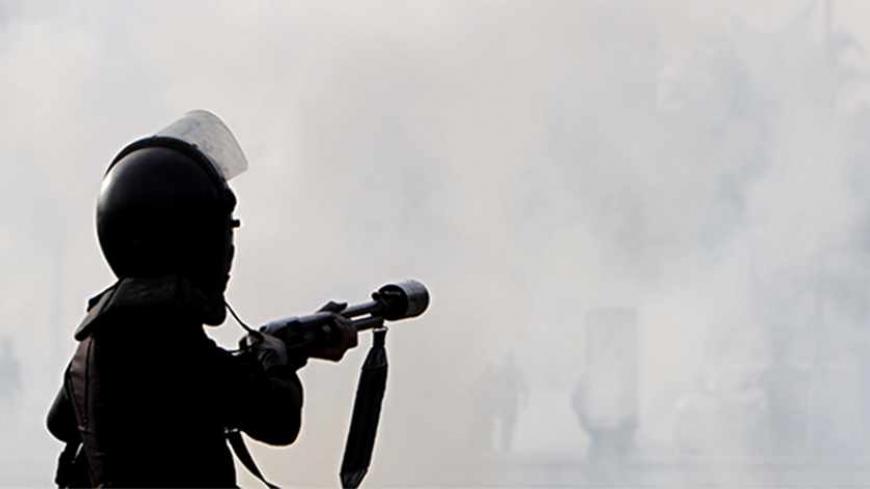
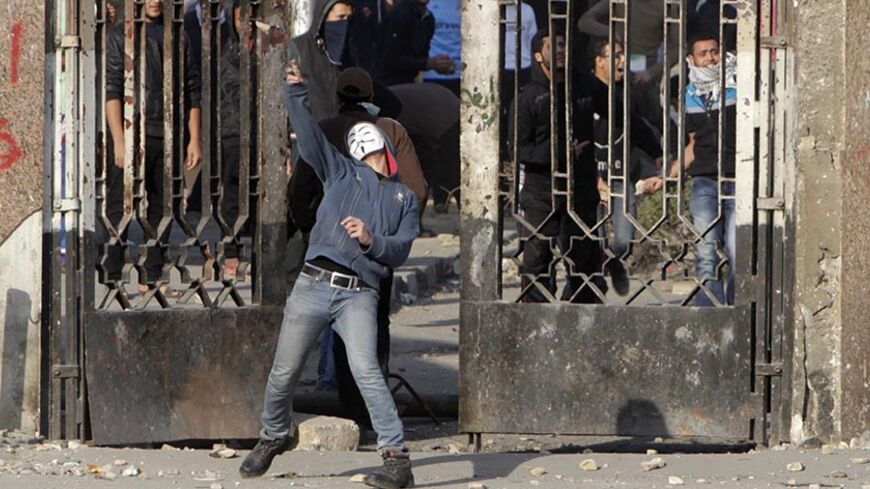
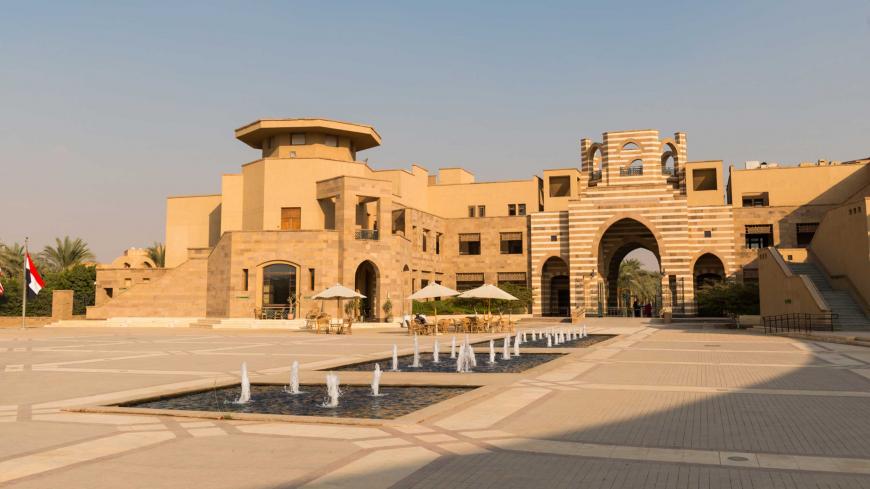
CAIRO — There has been a tug-of-war between Egyptian students and state authorities as the government attempts to control student actions within the framework of tightening the noose on all state institutions. Authorities believe that student movements and ongoing protests on university campuses threaten the state’s power.
Despite the blockades and clampdowns by successive Egyptian regimes to contain student movements, students have played a part in every political event since the 1920s and are a key factor in shaping the Egyptian political scene since Jan. 25, 2011.
The Egyptian state attempted to maintain its power over students, whether through Muslim Brotherhood’s advocates who refused to let the movement be pushed aside from its leading role, or the supporters of the civilian movement who objected to the military’s intervention in the political process and in the security forces, to face the escalating violence during the 2013-14 school year.
In the wake of the military intervention on July 3, 2013, and President Mohammed Morsi’s deposition, the Egyptian authorities took several measures with the onset of the current school year to maintain security on university campuses and to put an end to acts of violence and protests. The Ministry of Higher Education’s contracting with Falcon Group International on behalf of several Egyptian universities was at the forefront of these measures. The company was in charge of providing security during President Abdel Fattah al-Sisi’s presidential campaign for the 2014 elections, which secured several Egyptian universities with a sum exceeding 84 million Egyptian pounds (roughly $11 million), according to a copy of the contract between the company and the ministry that was published by the Egyptian media.
AL-MONITOR All-Access gives you unlimited access to all our journalism, the full Daily Briefing, exclusive interviews, premium newsletters, and live events — for less than $2/week.