



Lebanon's migrant workers find comfort in drama
Producer and director Zeina Daccache’s drama therapy program, Catharsis, offers Lebanon’s migrant workers and other disadvantaged populations a way to connect with each other and a rare outlet for self-expression.
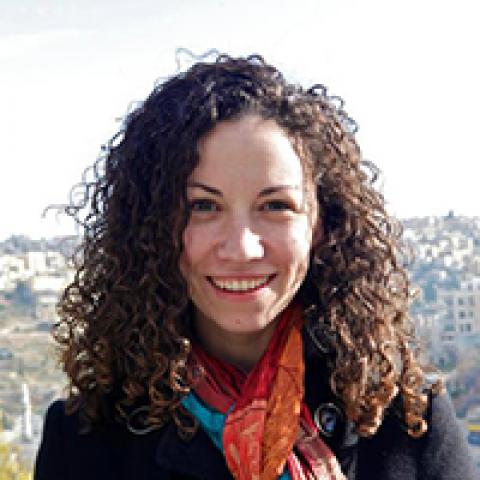

HAMRA, Lebanon — Inside the AltCity café in Hamra on a Sunday morning, about 15 people from an array of countries are milling around, talking and waiting. The room is filled with color, from armbands and earrings proudly displaying the colors of the Ethiopian flag to neon-colored headscarves and flashy blouses. Suddenly, Zeina Daccache sweeps into the room and everyone lights up, smiling at each other, the excitement palpable. It is time to act.
For the past 10 months, migrant workers have been working with Daccache to create a play that will bring attention to both their individual experiences and the collective stories of their communities in Lebanon. The aims of the project — made possible with funding from the Norwegian Ministry of Foreign Affairs and in collaboration with the collective Migrant Workers Task Force — are to provide drama therapy sessions over the course of a year to culminate in a theatrical performance by the group in December.
The final performance is important, but it's the journey that helps the workers build the confidence to get there. Daccache has promoted drama therapy in Lebanon since she co-founded her non-profit organization, Catharsis: Lebanese Center for Drama Therapy, the first of its kind in Lebanon and the entire Arab region, in 2007. This type of therapy uses theater and art to help individuals and groups create new behaviors, meaning and skills and apply them to their lives, from solving problems to unearthing repressed emotions.
Catharsis offers services to disadvantaged populations such as migrant workers and gives them a rare outlet for their voices and feelings.


