



Arab MKs aim to restore dialogue with Israelis
In an interview with Al-Monitor, Arab Knesset members Haneen Zoabi, Basel Ghattas and Jamal Zahalka claim that the Israeli media categorize and demonize them in a way that prevents them from entering into a dialogue with the public.
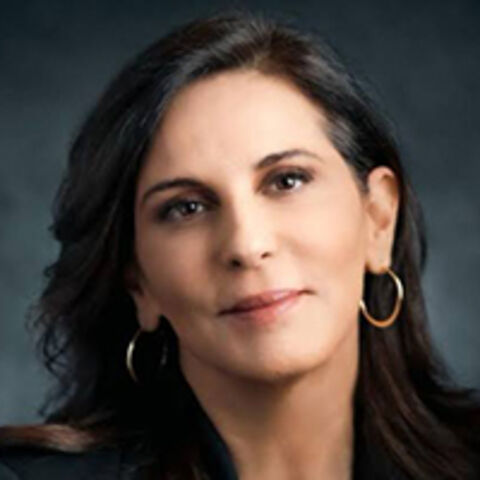

Knesset member Jamal Zahalka, who heads the Knesset faction of Balad (the Hebrew acronym for the National Democratic Assembly party), wrote his doctoral thesis on the effects of the active ingredient of hashish on the human body. But even when the debate about legalizing hashish recently became bon ton in Israeli politics and media, Zahalka stayed out of the fray. It was actually Knesset member Moshe Feiglin of the extreme right wing who became the star of the party.
Not surprisingly, in the few cases that Zahalka managed to break into prime-time television it was with a passionate, photogenic and particularly loud outburst.
For instance, when he clashed on a live TV broadcast in December 2009 with journalist Dan Margalit, after accusing then Defense Minister Ehud Barak of “listening to classical music and killing children [in Gaza],” Margalit lost it and kicked Zahalka out of the studio. Or when he was expelled from the Knesset’s Interior Affairs Committee in July by its chairwoman, Knesset member Miri Regev, after accusing Police Commissioner Yohanan Danino that his hands were “covered in blood.” This happened during a debate about police conduct in the kidnapping and murder of the three youths in June and the ensuing right-wing rioting. Regev, the darling of the extreme right, sent Zahalka to “Gaza” and showered him with a variety of “compliments,” among them “terrorist.” Needless to say, the video clips documenting these two incidents became social media hits.
Conventional wisdom has it that these kinds of media events actually serve Zahalka and his colleagues in the Balad faction — Knesset members Haneen Zoabi and Basel Ghattas — especially vis-a-vis their constituents and especially in highly charged times such as those in the wake of the Kafr Kana events on Nov. 8.


