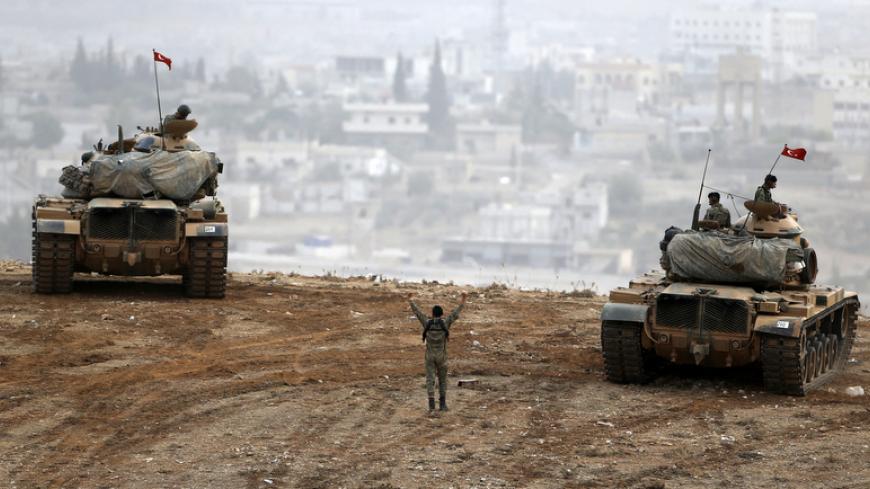
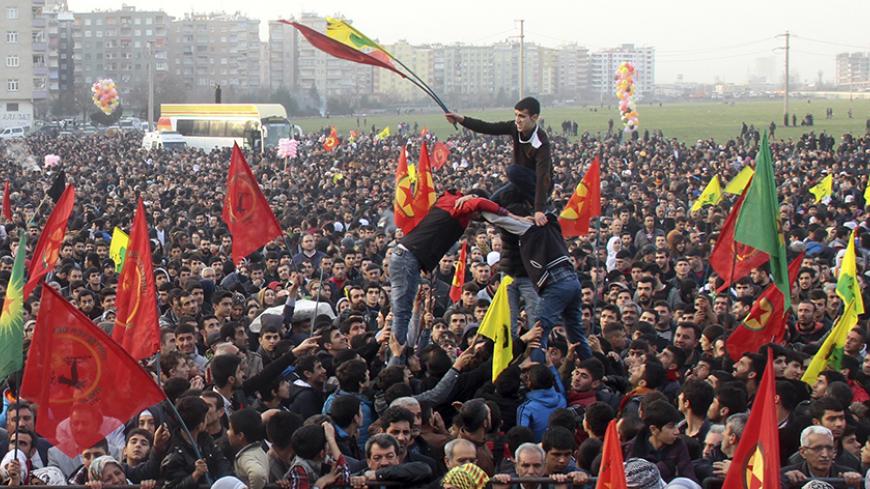
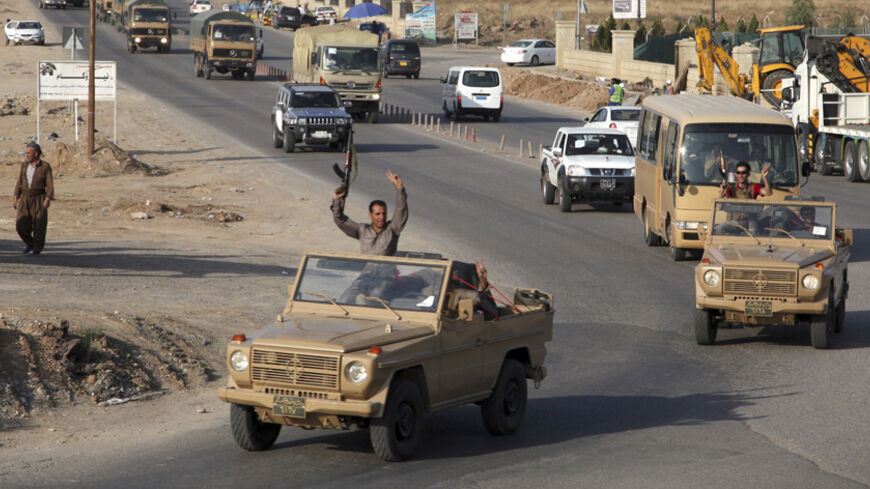
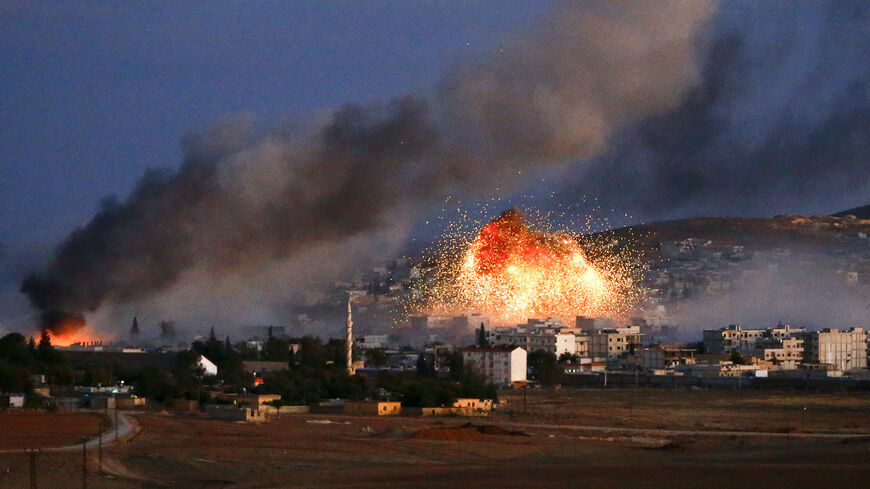
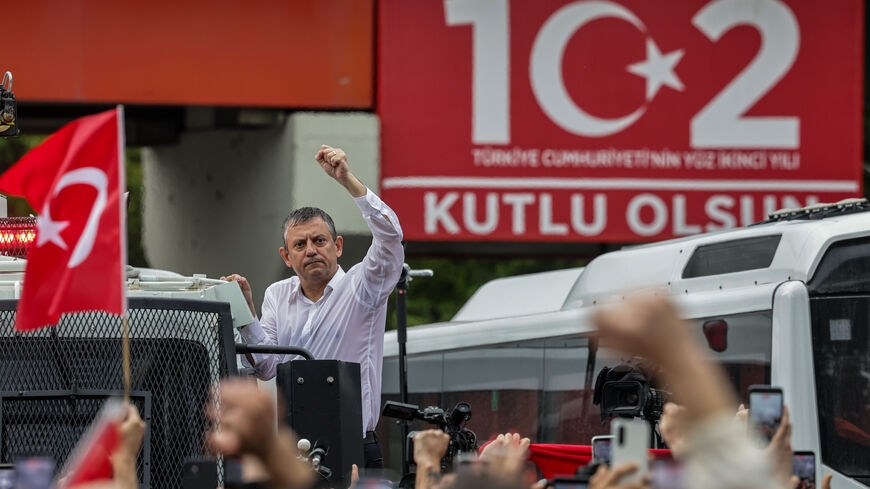
As Islamic State (IS) fighters keep up their battle to gain control over Kobani, a strategic Syrian Kurdish-controlled enclave on Turkey’s border, the effects of the conflict are being felt in Turkey itself. Thousands of Kurds took to the streets across the country on Oct. 7 to protest Turkey’s inaction against IS' seemingly unstoppable advance. The government slapped curfews on six provinces in the mainly Kurdish southeast region after clashes between protestors and the security forces, and between rival Kurdish groups, left at least 14 people dead. Elsewhere across the country, police clashed with demonstrators, trying to push them back with pressurized water and pepper spray while the Kurds responded with Molotov cocktails in a foretaste of the violence that is likely to engulf the country should Kobani fall.
None of this comes as a surprise. Many Kurds continue to believe that Turkey is complicit in the jihadists’ onslaught against Kobani. Cemil Bayik, one of the top commanders of the Kurdistan Workers Party (PKK), repeated this claim in a Sept. 25 interview with Al-Monitor. Abdullah Ocalan, the imprisoned PKK leader, is threatening to call off peace talks with the Ankara government should there be a massacre in the enclave. Turkey denies it is siding with IS.
But it is doing little to aid the Kurds. This in turn invites the question of whether Turkey sees the Kurds as a greater threat than the jihadists, who stand to grab their third border crossing with Turkey. Turkish President Recep Tayyip Erdogan appeared to suggest that IS and the PKK were equally dangerous. “It is wrong to view them differently, we need to deal to them jointly,” he told reporters Oct. 3 in Istanbul. Erdogan’s comments hold the key to understanding Turkey’s policy on Kobani.
Turkey’s inaction over Kobani is undermining the peace process. Erdogan’s hopes of winning Kurdish support for constitutional amendments that would boost his presidential powers hang on friendship with the Kurds. A breakdown of the PKK’s 18-month-long cease-fire would likely jeopardize his ruling Justice and Development Party’s (AKP) chances in nationwide parliamentary elections scheduled for June. None of this appears to faze the Ankara government. This is because Erdogan and his AKP disciples view Kobani as an opportunity rather than a threat.
AL-MONITOR All-Access gives you unlimited access to all our journalism, the full Daily Briefing, exclusive interviews, premium newsletters, and live events — for less than $2/week.