



Iran’s energy resources to pose challenges for Russia
Despite Russia’s long diplomatic support for the country, Iran may ultimately present more challenges than opportunities for Moscow as it enters the world energy market.
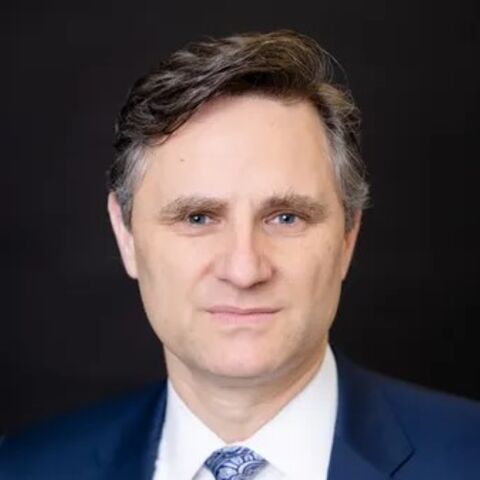

With fighting raging in Iraq and Ukraine, Iran’s Foreign Minister Mohammad Javad Zarif traveled to Moscow to meet his Russian counterpart, Sergey Lavrov, on Aug. 29. Notwithstanding an evident lack of new agreements, the two top diplomats stressed the close alignment of their perspectives on key issues, including ongoing talks on Iran’s nuclear program, their opposition to the Islamic State (IS) and support for a political settlement of Syria’s continuing civil war. Nevertheless, some important differences clearly remain.
Predictably, Lavrov reiterated Moscow’s support for Iran’s right to enrich uranium, stating, “Russia consistently advocates such a decision that would be based on respect for Iran’s right for peaceful nuclear activities, including uranium enrichment, with all the peaceful activities placed under [International Atomic Energy Agency] control." Likely referring to US and European reluctance to reach an agreement that permits enrichment, he cautioned Western negotiators against pressing Tehran too hard to advance their own objectives at Iran’s expense as the Nov. 24 deadline for a deal approaches.
“Some of our partners have temptations and attempt to use artificial time elements to get just a little more than is necessary to provide a balanced and fair package,” Lavrov said. Zarif said that Iran appreciates “Russia for its logical stance on Iran's nuclear technology."
Likewise, the Russian state media service ITAR-TASS — the successor to the Telegraph Agency of the Soviet Union (TASS) — quoted Lavrov as stating that Iran’s participation was necessary in settling regional crises, apparently referring not only to Iraq and Syria, but also to Afghanistan. “Our partnership is based, aside from history, on the closeness of positions on most of regional and international issues. Cooperation plays a weighty role in stabilization of the situation in the Middle East and Central Asia.” Russia’s foreign minister also repeated his past call for Iranian participation in a settlement in Syria. When asked about fighting terrorism, Lavrov went somewhat further, stating that he and Zarif had discussed creating “an international coalition against terrorism” including Russia and Iran and denounced those who apply “double standards” to terror. Lavrov was clear enough in explaining who he meant, complaining that some are prepared to fight IS in Iraq, but not in Syria. Zarif echoed this statement, saying, “Events that happened over the past several months demonstrate that we share a common stance while many others who had a different point of view made a strategic mistake.”


