



Davutoglu faces uneasy relationship with Assad
Ahmet Davutoglu declared two years ago in his role as foreign minister that he would rather resign than shake Bashar al-Assad’s hand; he now has to find a way to coexist with Syria.
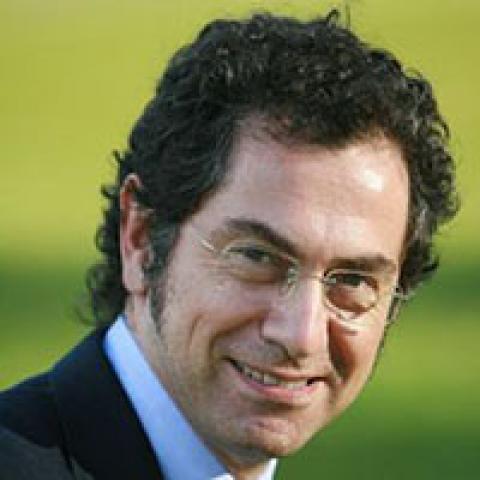

Turkish President-elect Recep Tayyip Erdogan, when announcing his successor as prime minister and chairman of the ruling Justice and Development Party (AKP) would be Foreign Minister Ahmet Davutoglu, spoke about how this move would affect Turkish foreign policy.
“With our decision, we are showing how much we seek peace and solidarity in our region and in the world. Davutoglu, who has attached priority to conscience elements of foreign policy, will now defend that even more forcefully at national and global levels.”
When looking back on Davutoglu’s five years and four months as Turkey's foreign minister, we see — besides this “conscience element” — many other foreign policy dimensions that are seriously lagging behind, have weakened or collapsed. For example, the process of Turkey’s EU membership is in the freezer, left to die. During the Davutoglu years, Turkey’s relations with Europe were consciously neglected, and the country made a strategic choice to distance itself from the West.
The paradigm that was used to cite “an influential Turkey in the Middle East reinforced by its strengthened European connection” has long collapsed. The definition of this paradigm in international relations was a “multidimensional foreign policy.” Davutoglu has not been able to mention this for quiet a while, because that, too, has fallen apart.


