



Inside Turkey's wiretapped world
A firsthand account of just one of the many wiretapping cases that are happening in Turkey, where government corruption and Prime Minister Recep Tayyip Erdogan's obsession with the Gulen community is the primary cause of a massive abuse of public authority.
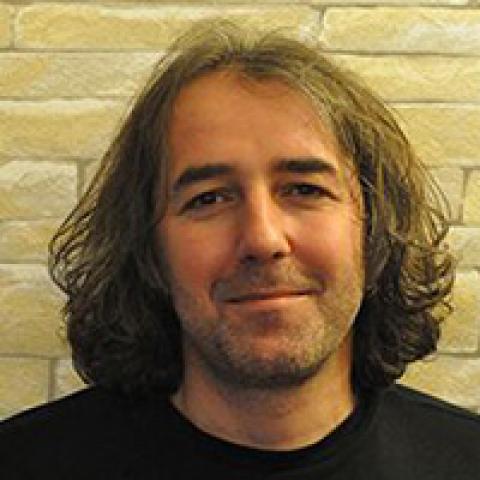

Are a conversation with a journalistic source, a phone call in which one is mentioned as “Turkish foreign policy expert” and an invitation for a Ramadan fast-breaking dinner sufficient grounds to be probed for belonging to a terrorist organization? Not in a normal judicial system. In Turkey’s highly politicized judicial system, however, they are.
A scandalous probe into a group linked to gruesome murders committed to foment conflict between secular and religious Turks back in the 1990s comes as the latest episode in the war between the ruling Justice and Development Party (AKP) and the religious community of Fethullah Gulen. This episode, however, has a slightly personal aspect for me.
I'm one of 2,280 people whose phone calls were wiretapped as part of the probe into the so-called Tevhid-Selam Jerusalem Army. I’ve been aware of this since February. But on July 22, I learned — while chasing news in the Gaza inferno — I had been investigated as a suspected “organization member” when prosecutors dropped the investigation of 251 people.
It turns out that I — suspect number 219 — had not just been a person of interest but a target of the probe. They not only wiretapped my two mobile phones but had agents technically and physically monitor me — that is, secretly film and bug me. Other suspects placed under similar surveillance include Prime Minister Recep Tayyip Erdogan’s advisers Mustafa Varank and Sefer Turan, National Intelligence Organization (MIT) chief Hakan Fidan, Foreign Minister Ahmet Davutoglu’s advisers Ali Sarikaya and Osman Sert, Justice Ministry counselor Adnan Boynukara, Turkish Public Television (TRT) newsroom chief Nasuhi Gungor, Anatolia News Agency Director-General Kemal Ozturk, TRT reporter Mehmet Akif Ersoy, Yeni Safak Editor-in-Chief Ibrahim Karagul, Syrian journalist Husni Mahalli and Independent Turkey Party chairman Haydar Bas. Most suspects in this motley crew would never meet, and some are even enemies. Fidan, a key figure in organizing and arming the Syrian opposition against the Iranian-backed Damascus regime, was accused of being an Iranian agent.


