



Can Iraq's new president save country from fragmenting?
The election of Fouad Massoum as president of Iraq may mean that Kurdish independence is now on the back burner. He is a close friend of Iraqi President Jalal Talibani, whose presidential tenure began in 2005.
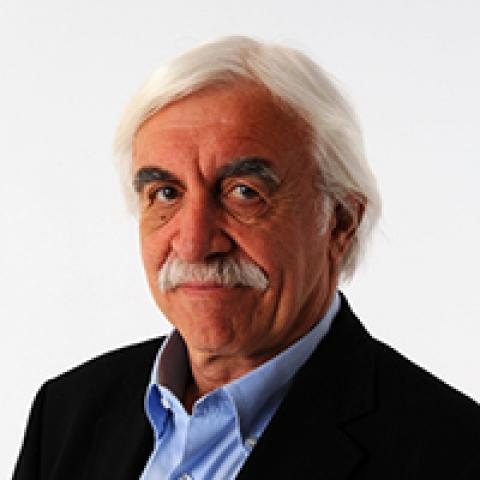

Iraq has a new president. In the wake of the capture of the second-largest city, Mosul, by the Islamic State (IS); ever-growing demands by the president of the Kurdistan Regional Government (KRG), Massoud Barzani; and rising dissent against a new mandate for incumbent Prime Minister Nouri al-Maliki, Iraq has seemed on the verge of collapse. There has been a quasi consensus among Iraq observers that Iraq has ceased to exist and was awaiting de jure confirmation of its de facto fragmentation.
Many have thought that this country, which had inured international opinion to its endless succession of crises since 2003, would not survive this latest crisis. But we could be mistaken. First, Salim al-Jabouri (affiliated with the Iraqi Islamic Party, the Iraqi Muslim Brotherhood) was elected speaker of the parliament. Then, a week after the return home of President Jalal Talabani — who had been under medical treatment in Berlin for the past 1½ years and who obviously couldn’t continue with his functions — a new president was elected, indicating that Iraq could actually be more resistant to division of the country.
This writer has known the man elected president, Fouad Massoum, for nearly a quarter of a century. I got to know Massoum through his predecessor, Talabani, my close friend for more than 40 years. During tumultuous years that included the Gulf War of 1991, he was one of Talabani’s most trusted envoys and comrades-in-arms.
Five years younger than Talabani, Massoum, 76, was born in Koysancak in 1938, a town close to Erbil where Talabani spent his childhood; they have been friends ever since.


