



Knesset member describes Israel's gender wars
In an interview, Knesset member Yifat Kariv assures Al-Monitor that she will not give up on advancing women, particularly the ultra-Orthodox, in the Israeli political arena.
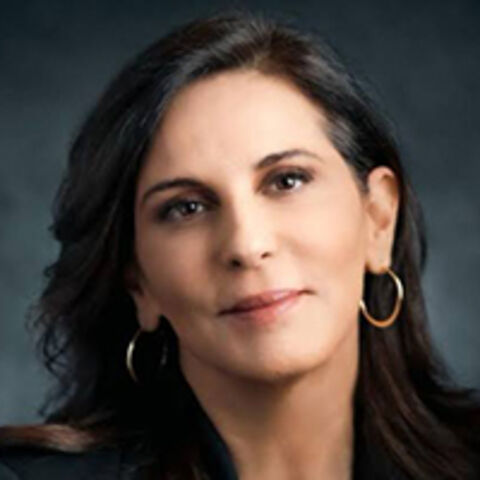

To promote her proposed legislation to increase the number of women members of local and municipal councils, Knesset member Yifat Kariv of the Yesh Atid party asked to meet with her colleague, Knesset member Moshe Gafni of Yahadut HaTorah. In recent years, Gafni and his friends in the ultra-Orthodox parties have derailed all legislation that proposed affirmative action and punitive budgetary sanctions promoting adequate representation of women in local and national politics.
The bill that Kariv presented to Gafni, one of the most sophisticated members of the Knesset, would award any local faction that has at least a one-third female membership a funding bonus of 15%. “Many ultra-Orthodox women come to me asking to help them go into politics. They want to be elected but cannot be,” she told Gafni to soften his expected objections. She also told him she was not asking that he support her, only that he not interfere with the legislative process.
Gafni’s response was sharp and unambiguous. “Knesset member Kariv,” he said, “this will not happen. There will be no ultra-Orthodox women in Israeli politics.”
Kariv was first elected to the Knesset in the most recent elections in 2013, which could explain the political naiveté of her appeal to Gafni. Finance Minister Yair Lapid, the chairman of Kariv’s party is, for Gafni and the other ultra-Orthodox Knesset members, the most hated figure in politics. Lapid is also the source of most of the troubles that have beset the public that Gafni represents, from the law that mandates military service for the ultra-Orthodox to efforts to slash government funding for religious colleges.


