



Sistani keeps distance from Iraqi election politics
Although there have been attempts to embroil Iraqi cleric Ali al-Sistani in the country’s ongoing political disputes, he has continued to stress his non-involvement in these issues.
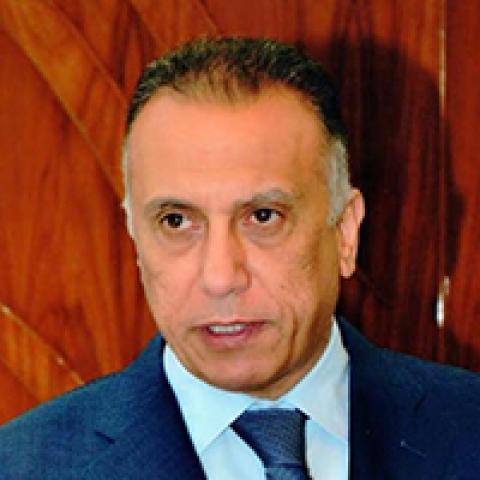

Is Grand Ayatollah Ali al-Sistani adopting a dual stance in dealing with Iraqi political issues? Does he have announced as well as unannounced views? What stand did he take vis-à-vis last month's Iraqi elections? Was he as neutral as the civil democracy (which he is still calling for) requires or has he taken the side of one party, contradicting his announced democratic principles? These are the questions at the forefront of the Iraqi political scene that have been raised within political spheres and among media outlets, behind the scenes and publicly.
To reach an objective answer to these questions, it is important to review the historical course of Sistani's unwavering position toward the Iraqi political process since 2003. In short, Sistani has not taken a partisan political stance, but has instead been content to demand that leaders abide by the will of the people through democratic mechanisms. He urged citizens to actively and consciously participate in the elections. He announced no other stance in election aftermaths.
Every now and then, political parties opposed to the democratic process take advantage of Sistani’s “hands-off” philosophy of dealing with Iraq's delicate political situation. Sistani has, however, expressed his clear and unwavering position in a collection of letters and statements published as “The Texts Issued by Sayyid al-Sistani on the Iraqi Issue.”
Sistani himself sees no point in repeating his view to counter continuous malicious attempts aimed at linking him to dubious causes, movements and political positions. His perspective was reiterated by his assistants and followers during Friday sermons in the weeks leading up to the elections. In this context, Abdel Mahdi Karbalai, Sistani’s representative in Karbala, said on April 4, “We would like to affirm what we previously stated. Amid the current situation in Iraq, there is an urgent need to change for the better. This cannot be achieved but through the citizens themselves, by adopting the general standards [Sistani] recommended. The citizens bear the responsibility, and it is up to them to make this change for the better. Whatever the decision of the citizens is, the formation of the government will take place accordingly and the legitimacy or illegitimacy of authorities will [depend] upon what you [citizens] choose.”


