



Clerics, scholars debate action on Jerusalem
Senior clerics and scholars debated at a Jordanian conference whether to lift the ban on Arabs and Muslims visiting Jerusalem.
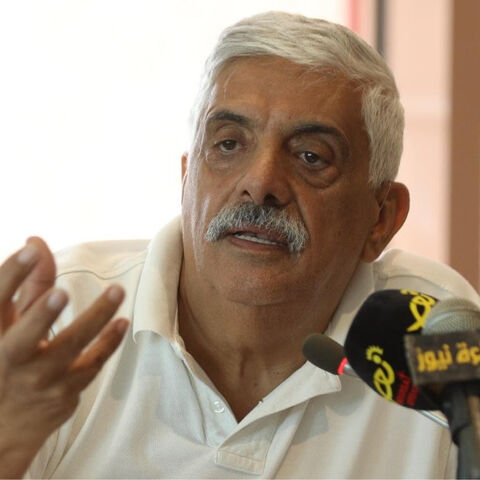

The dangers facing Jerusalem and the Al-Aqsa Mosque finally appear to have elicited serious Arab reactions. The guests and comments of the organizers of a recent conference held in the Jordanian capital of Amman reflect a newfound seriousness.
"The Road to Jerusalem" — held April 28-30 and organized by the World Islamic Sciences and Education University and Jordan’s Palestine parliamentary committee — tackled some hard issues never before confronted. The seriousness of the discussion was best conveyed when Jordan's Prince Ghazi bin Mohammad, King Abdullah’s right-hand man on religious issues (including Jerusalem), convened a private meeting, without the press in attendance, with delegates from Palestine and the Arab world.
Leaks from that meeting indicate that Ghazi described the seriousness of the situation, in particular in regard to the Hashemite pledge to protect and defend the Haram al-Sharif, the site of Al-Aqsa, and Jerusalem in general. Jordan’s unique role in Jerusalem is codified in Article 9 of the 1994 Israel-Jordan peace treaty and in a special Jordanian-Palestinian agreement signed by Palestinian President Mahmoud Abbas and King Abdullah in March 2013.
Israeli incursions into the Al-Aqsa Mosque compound have become an almost daily event, reflecting an effort to chip away at the status quo that has held since 1967. Israel had respected Muslim control over its third holiest site by allowing unarmed guards, paid by the Jordanian Ministry of Awqaf, to protect the site and regulate visits by non-Muslims to it. Israel has retained control over one gate, the Mughrabi Gate, which is connected to the area of the Western Wall by a controversial bridge. Militant Jews have increased unauthorized visits to the mosque area through that gate while under heavy protection by the Israeli army.


