



Sectarian discourse dominates Iraqi election politics
Candidates in Iraq’s upcoming elections continue to engage in a sectarian, rather than, national discourse.
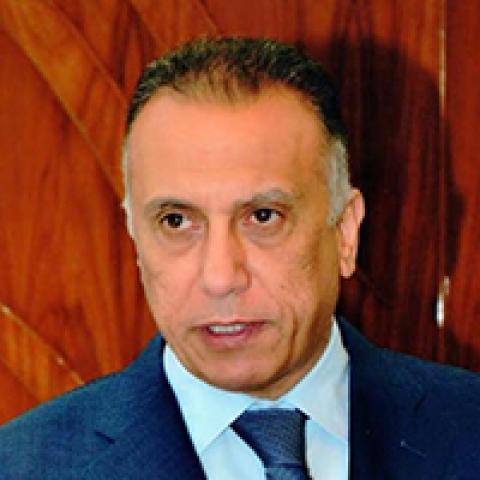

The sectarian, ethnic and party quota system that has dominated the Iraqi government over the past years has led to a number of problems in the country's young democratic experiment. Yet, the main issue is that rather than developing a national discourse, the system has obfuscated political responsibility and produced an excuse-laden discourse centered around sects and party supporters.
In this regard, one must acknowledge that the idea of consensual democracy in a divided society has been ineffectively applied in Iraq. Political consensus and partnership in government should be based on implementing agreements and programs, not the sharing of positions and ministries, converting them into private estates for this or that party or sect. The reality of this situation in Iraq has introduced ambiguous governing concepts into the Iraqi polity.
The major problem is the absence of responsibility, which becomes more apparent during elections by examining the electoral programs and the competition to attain power. After the political parties present their programs, compete in elections and enter parliament and the government, they do not seem to understand that they are then supposed to represent not just their voters, but all citizens, including those who voted against them and those who did not vote at all. This has not happened in Iraq in the past, and it does not appear that it will happen now.
Candidates address their audience — that is, the members of their party, sect or ethnicity — to obtain their support by making them scared of those who belong to a different group, thus exploiting their fears. Had the parties in the last 10 years succeeded in serving their sect or group, then perhaps adopting a sectarian discourse could be justified. Iraq, however, with its various sects, is going through difficult times, suffering from poverty, poor planning and insecurity. The country stands at the precipice of partition with every political crisis.


