



Leftist Knesset member: Israelis want social justice but vote Netanyahu
In an interview with Al-Monitor, left-wing Knesset member Dov Khenin describes the essential Israeli political incoherence, where the Israeli public calls for social justice while voting for capitalist, right-wing Prime Minister Benjamin Netanyahu.
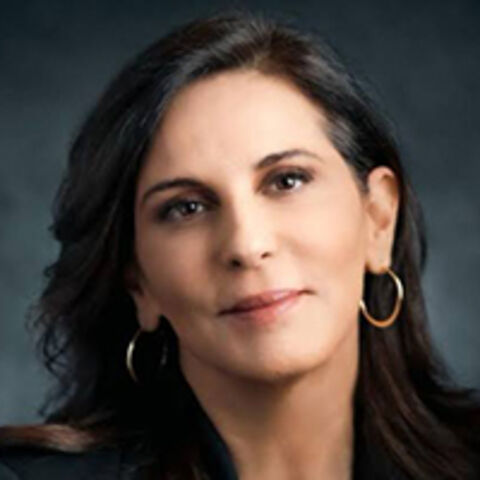

A status posted by Knesset member Dov Khenin on his Facebook page on April 17, succeeded in garnering some 6,000 shares. Khenin, a much-esteemed, combative social justice activist, belongs to the Hadash Party — the only Jewish-Arab party in the Knesset. In his post, which almost instantly became the hottest thing on the Israeli net, Khenin called for raising minimum wages from NIS 23 ($6.61) an hour to NIS 30 ($8.62) an hour. In sharp, incisive language, Khenin explained that this was a vital social justice battle to minimize the “working poor” phenomenon and so that “workers here won’t be slaves.”
In an approximate Facebook calculation, about half a million people were exposed to Khenin’s call to arms. This is way beyond the public interest exhibited in the talks with the Palestinians, even when compared to the very popular Facebook page of Economy and Trade Minister Naftali Bennett.
This, of course, could lead us to the conclusion that the Israeli public, suffering under the heavy burden of the high cost of living, is much more concerned about its shaky economic situation than Bennett’s threats of quitting the government on the background of the prisoner deal. Yet, Bennett controls 12 mandates in the coalition while Khenin is a member of a party with only four mandates. And if the electoral threshold is raised, the party will face a real existential threat.
This is the essence of one of the great incoherences in Israeli public sphere: The nation wants social justice with a socialist orientation, but votes for Prime Minister Benjamin Netanyahu, Foreign Minister Avigdor Liberman, Finance Minister Yair Lapid and Economy and Trade Minister Naftali Bennett.


