



The Palestinian trend in Israeli cuisine
Modern Palestinian restaurants are flourishing in Israel with dishes inspired by the medieval Muslim empire, reflecting a growing interest in Islamic and Arabic culture.
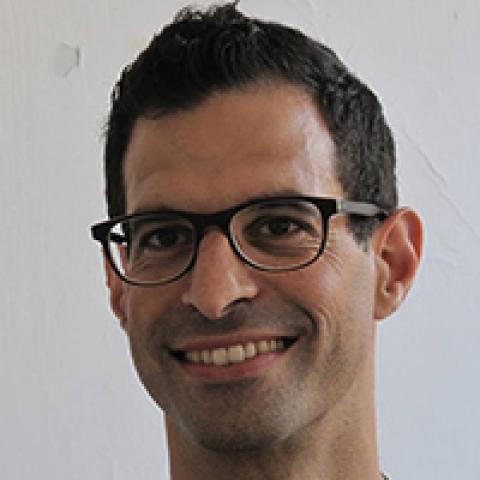

Five and a half years ago, as a young doctoral student researching nutrition in the medieval Arab Muslim empire, Uri Mayer-Chissick decided to prepare a meal that would recreate the dishes served in the 13th century. Working out of his home kitchen, he put together seven colorful dishes, rich in bright spices and based on recipes he found in an ancient cookbook from Baghdad. Some examples include sprouted chickpeas roasted in lamb fat with lemon, spearmint and pistachios and stewed meat patties thrice dipped in egg yolk and served in a beef-and-orange broth. There was even a beverage made out of honey, spices and flour called “honey beer.”
In time, that unusual meal, nicknamed “Dining at the Caliph’s Table,” evolved into an eponymous lecture that included tastings. On April 22, the eve of the traditional Mimouna festival, Mayer-Chissick, who now holds a doctorate in the history of medicine and nutrition and is an expert in foraging for edible plants, delivered his lecture at the Museum for Islamic Art in Jerusalem.
“I’m excited,” he told me before he began telling his large audience about the rich menu of the Arab empire. “Most of the time, there isn’t much demand for this lecture. People ask me to talk about local food, about foraging for wild plants, but not about Islamic food. Even Israeli Arabs aren’t interested in their heritage. They want to be like us. Did you know that the consumption of Coca-Cola is higher in the Arab sector than it is in the Jewish sector?”
Arab cuisine has actually been enjoying a resurgence recently, and not only because Dr. Nof Atamna-Ismaeel from the town of Baqa al-Gharbiya won Israel’s most popular reality cooking show, "Master Chef." Her dream, by the way, includes the creation of a joint Jewish-Arab cooking school.


