



The coming Saudi decentralization
The appointment of Prince Muqrin as deputy crown prince reveals a trend toward multiple power centers within the royal family.
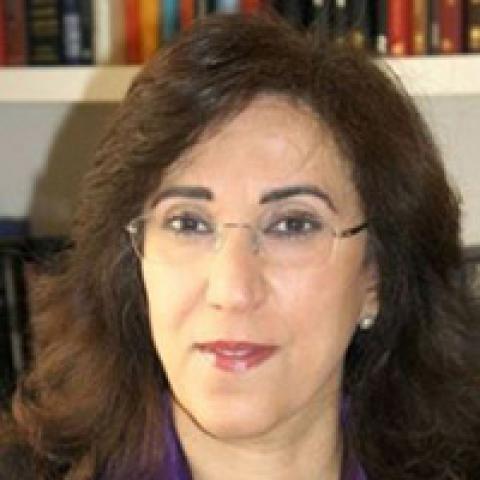

King Abdullah bin Abdulaziz of Saudi Arabia adhered to the unpredictable succession rule that dominates the Saudi system when he appointed Prince Muqrin as deputy crown prince on March 27. Muqrin, an ex-intelligence chief, will become crown prince after Prince Salman, and eventually king when both the king and current crown prince pass away. The Saudi Press Agency reported the appointment as a royal decree that cannot be challenged under any circumstances in the future. The royal statement must have come after months of deliberation among royals, who, like the rest of Saudia Arabia and the world, are impatiently waiting for a resolution of the mystery of succession in the kingdom.
Abdullah missed an opportunity to resolve the succession issue, which sooner or later will have to be passed on to the second-generation princes awaiting their turn to shape the future of the kingdom. He overlooked the seniority principle and chose to elevate a close and loyal aide above not only other surviving brothers of the king, but also the new generation of princes. It was reported that the decision had the consent of 75% of the Oath of Allegiance Committee members, the 34 princes appointed by the king when it was established in 2007. The committee was meant to ensure a smooth succession to the throne as the king urged its royal members to "stand united, settling any differences by transparent dialogue and without allowing external forces to interfere in their private affairs." But the committee was meant to become active only after the death of Abdullah and the crown prince at the time, Prince Sultan. The king lived through the death of two crown princes, Sultan and Naif. Consequently, it became urgent to deal with the unexpected, mainly the succession moving to the second generation as a matter of necessity under the pressure of old age. It seems that the king did not want the committee to meet after his death, as stipulated in the committee’s constitution, and "elect" the future king. He may have anticipated a possible rift and resolved the matter in favor of Muqrin.
Moving the succession to the second generation seems to threaten the balance of power between the various Al-Saud clans and will inevitably sideline a number of them if the succession is to move from its current horizontal line between brothers to a vertical one from father to son. The founder of the kingdom, Abdulaziz ibn Saud, marginalized his brothers when he appointed his own son, Saud, as crown prince in 1932. But this all happened at a time when it was possible to do so. Several decades later, the move is bound to be problematic for a simple reason: The founder’s many sons had already placed their own sons in key positions, and a handful of these sons are now key players in domestic and foreign policy. Take, for example, the son of Naif, Muhammad, who controls almost all aspects of Saudi internal affairs, or the king’s son Mitab, who has established control over the Saudi National Guard. Other clans within the family revolve around the sons of King Faisal, Sultan and Fahd, with several of their sons in control of important positions in the kingdom.
Given the proliferation of royal positions and power holders, it is time to think of Saudi Arabia as a kingdom with multiple heads or several fiefdoms. In this context, the kingdom is no longer a centralized absolute monarchy as it used to be under King Faisal (1964-1975), but a cluster of clans under an honorary king, and over which Prince Muqrin will preside in due course. He will have to acknowledge the interest of each one of these clans and keep balancing the various factions in ways that do not undermine their privileges, positions and wealth. He can only do that by creating more positions that will absorb the growing number of princes within each clan. He will also have to be seen as a neutral arbiter between the various competing factions while not undermining their inherited control over key ministries and government arms.


