



Ultra-Orthodox alliance put to test in municipal election
New municipal elections in Beit Shemesh will test the power of a new alliance of ultra-Orthodox factions.
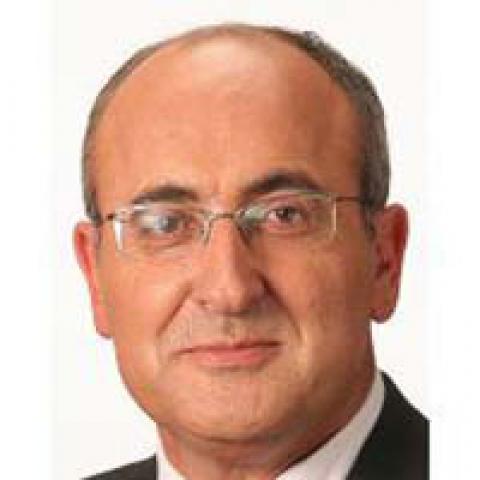

JERUSALEM — A candidate running in the Beit Shemesh municipal elections said that his town is like a pressure cooker. With all the pressure building up inside, it could explode at any minute. It seems like everyone is tense, everyone is nervous, everyone is wandering in a sleepless daze, anticipating the elections that will take place on March 11. This is the second time in the past six months that the town of Beit Shemesh is holding an election. The winner in the first election in October 2013 was the ultra-Orthodox candidate Moshe Abutbol, who beat his rival by about 1,000 votes, earning him a second term as mayor.
A short time later, however, it was discovered that ultra-Orthodox voters voted twice or used phony ID cards to vote instead of someone else. Taking advantage of their somewhat similar appearance as ultra-Orthodox Jews, they were able to fool the members of the election committee and vote at two separate polling stations. Eli Cohen, the secular candidate for mayor, appealed his loss, and the Jerusalem District Court ordered that new elections be held in the city.
As the second round of elections approach, the mood in the town is animated, and the city doesn’t get a moment’s rest. Campaign posters from the first election can still be seen almost a year later, beside new campaign posters for this second-round vote. Pictures of the candidates appear everywhere, along with some forceful campaign slogans declaring that they are the best and the most successful, so they are the ones who deserve the voter's trust.
In the election headquarters managed by Richard Peres, there is no room to move. Dozens of activists and volunteers come in and out carrying pamphlets and other promotional materials to distribute in the street. Peres is the head of the town’s branch of the Labor Party. For these elections, he joined forces with the other secular parties to stand against the ultra-Orthodox coalition. But the ultra-Orthodox factions also joined forces to confront the united secular family. Under normal conditions, most of the ultra-Orthodox factions despise one another, but now they are cooperating in the struggle against the secular enemy. In response to this common enemy, there is a truce, though probably temporary, between Ashkenazi ultra-Orthodox Jews and Sephardic ultra-Orthodox Jews, even if, under normal conditions, they would insist on almost total separation between them. They may all be ultra-Orthodox, but they do not live together, they do not study together, and they will not even marry each other. Now, however, with the municipal elections approaching, all the various factions and groups have joined together as if they have lived in harmony since the days of yore.


