



Diplomacy, not sanctions, key to deal with Iran
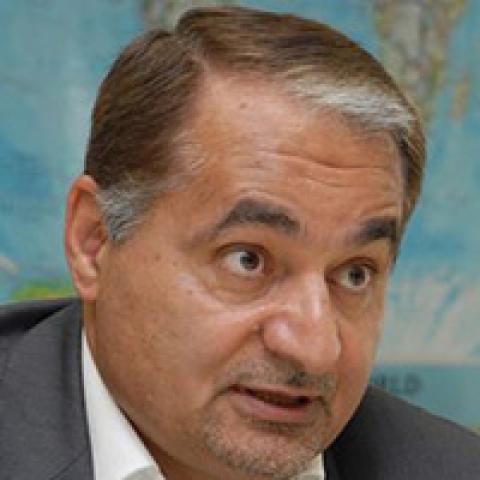
As the American Israel Public Affairs Committee holds its annual policy conference, it would do well to remember that the Obama administration's diplomacy, not sanctions, has yielded better results, according to a former senior Iranian diplomat.

The American Israel Public Affairs Committee (AIPAC), the most powerful pro-Israel lobby in the United States, is holding its annual policy conference March 2-4 in Washington.
Throughout the past three decades, AIPAC has relentlessly lobbied the US administration and Congress to pressure and apply sanctions to Iran to give up its nuclear program. According to its website, AIPAC has been responsible for the "passage of more than a dozen US bills and resolutions imposing tough sanctions on Iran during the past 15 years" in a list of its major accomplishments.
Iran is at the top of the agenda of this year's annual meeting. In a New York Times op-ed last week, Michael Kassen and Lee Rosenberg, AIPAC's president and chairman of the board, respectively, identify the upcoming conference as a venue through which to demonstrate support of "a range of congressional actions that threaten greater economic and diplomatic pressure on the Iranian government." In addition, 14,000 members of the lobby group intend to "urge Congress to outline for Iran the acceptable terms of a final [nuclear] accord … [which] must include, at a minimum, the dismantling of its nuclear program."
Kassen and Rosenberg dispute those who argue that as a result of threatening and intimidating Iran, it "will walk away from the [negotiating] table." Instead, they suggest that "diplomacy that is not backed by the threat of clear consequences poses the greatest threat to negotiations." These assertions are unsubstantiated. Contrary to claims by the AIPAC directors, a review of history demonstrates that the outcome of coercive policies toward Iran have been more, rather than less, threatening to the security interests as perceived by both the United States and Israel.


