The current Palestinian-Israeli peace talks, planned to last nine months, have one month left to produce a peace treaty. Palestinian officials are on record as refusing to extend the talks, while the Israelis are sending clear messages that they want the talks to be extended. In a statement made to the official Palestinian news agency WAFA, the presidential spokesman outlined two issues that the Palestinians have a problem with.
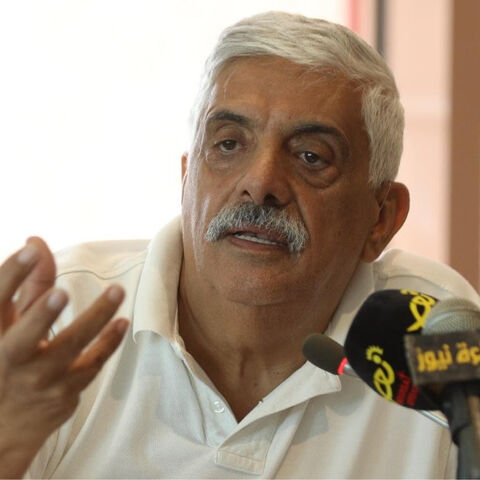
"We will not accept a Palestinian state without East Jerusalem as its capital. We will not recognize Israel as a Jewish state," Nabil Abu Rdeineh, the official spokesperson of Palestinian President Mahmoud Abbas, was quoted as saying.
While Abu Rdeineh highlighted these two hot button issues, a more serious discussion is going on behind the scenes about the issue of land swaps. Ever since the Camp David II summit, while Palestinians have consistently called for the 1967 borders to be the perimeter of their state, Abbas and late Palestinian leader Yasser Arafat both publicly and privately have accepted the idea of land swaps.
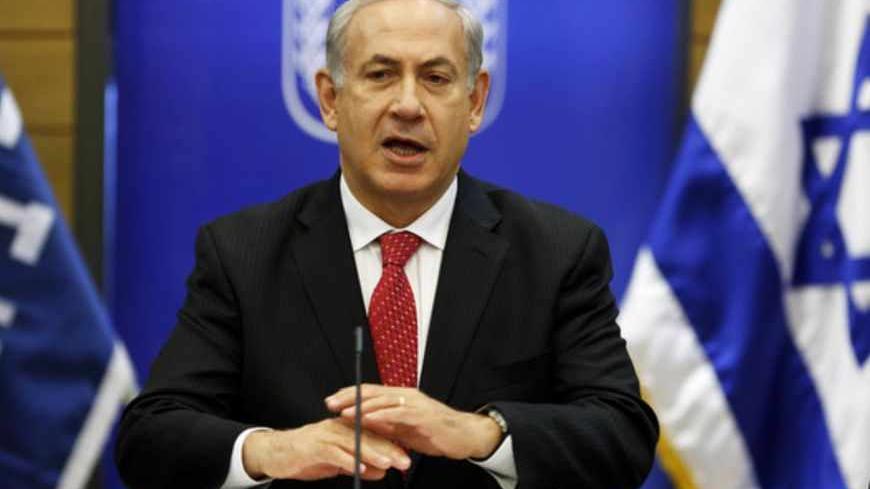
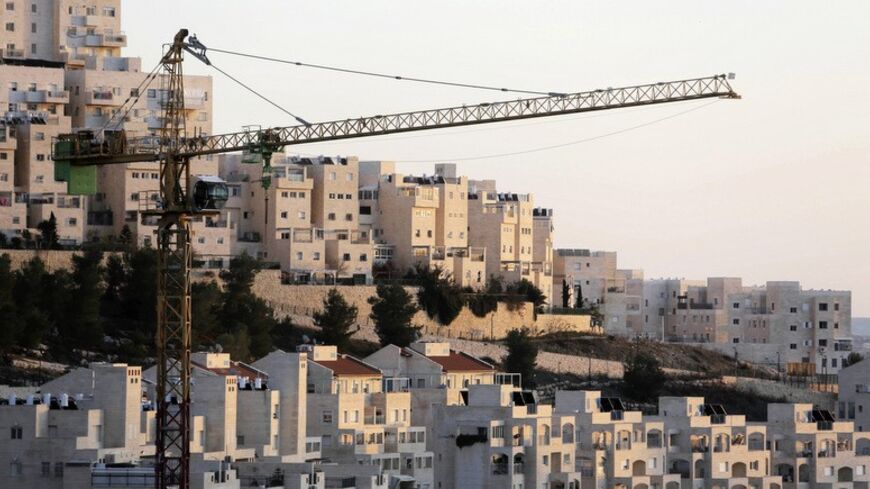
However, Palestinians have consistently stressed that any land swap must be equal in size and quality. The London-based Al-Quds Al-Arabi translated an Israeli report saying that the major disagreement between Palestinian and Israeli negotiators is the size and quality of the swap. According to this report, the gap between the two sides is huge. Israel wishes to annex nearly 10% of the West Bank, while Palestinians are open to a much smaller 3%. The Israeli report, originally published on the Hebrew-language website Walla News, says that the percentage is derived from the calls by Israeli Prime Minister Benjamin Netanyahu to include the Hebron and Beit El settlements. In January, AFP picked up an interview from Israeli radio in which Netanyahu said Israel would like to annex 13% of the West Bank. All these figures exclude Jerusalem.
AL-MONITOR All-Access gives you unlimited access to all our journalism, the full Daily Briefing, exclusive interviews, premium newsletters, and live events — for less than $2/week.