



Clans play decisive role in Iraqi elections
Given the weakness of the central state and a lack of overall security, citizens have continued to rely on clans and tribal affiliations, something that will play a significant role in upcoming parliamentary elections.
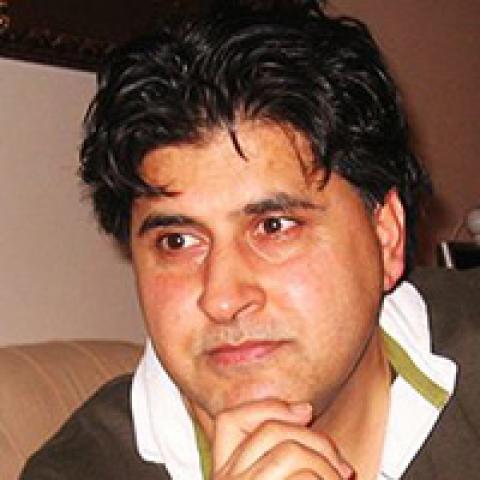

In the Yusifiyah region, south of the Iraqi capital, Baghdad, Sheikh Jassem al-Klabi plays host, on a nearly daily basis, to candidates for parliamentary elections scheduled for April 30. This hosting comes as part of social gatherings where clan loyalty intermixes with political affiliation.
Any time you visit the sheikh, you will find him busy with preparations for meetings and banquets. He is constantly talking about losses and gains resulting from his endorsing this candidate or the other. Yet, most of the time, Klabi, and others like him, wind up endorsing the clan’s candidate before anyone else.
Everywhere in Iraq, clan “politicization” is well underway, in light of the prevalence of electoral illiteracy, which transforms the clan into an avenue for the dissemination of propaganda.
Saad El Fares, the son of elders from the Bu Sultan clan of the Babel province, south of Baghdad, told Al-Monitor, “Iraqi politicians resort to the clan because its influence has played a decisive role in many a member of parliament reaching parliamentary office. It is the norm to choose a candidate from among your kin.”


