



Hakim launches political initiative to resolve Anbar crisis
A new initiative by Ammar al-Hakim may succeed in solving the Anbar crises because it relies on more than security measures.
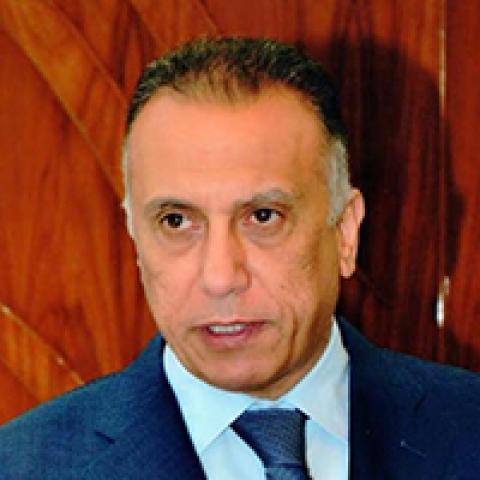

The Our Steadfast Anbar initiative, launched Jan. 11 by Ammar al-Hakim, leader of the Islamic Supreme Council, to resolve the Anbar crisis is an important step because it moves Iraq's security situation back into the political realm in trying to establish a broad base from which to combat terrorism.
Hakim has proposed a package of political, administrative, economic and social measures to normalize the situation in Anbar, which has been restive for the past two weeks and preceded by protests that lasted about a year. Among the initiative’s proposals is to spend $4 billion dollars over four years to rebuild Anbar’s cities, create jobs and form a provincial council of elders, influential tribal leaders, in addition to Anbar self-defense units, which in fact already exist through the Sahwa councils.
Some assert that Hakim’s initiative has electoral motives attached. Yet the initiative provides, for the first time, a vision toward resolving the Iraqi crisis, not just mere slogans as with most previous initiatives. The local and foreign responses to the initiative indicate that there is a general trend to interpret the crisis the way it actually should be understood.
Some Iraqi parties are trying to characterize the country's broader crises — ongoing for years and including the recent crisis in Anbar — as “security crises” that can only be resolved through security measures. This characterization assumes that the fight in Iraq is between the government and its supporters on the one hand and terrorism and its supporters on the other, and therefore does not take into consideration the root causes of the conflicts.


