



Israeli Municipal Elections Amplify Ultra-Orthodox, Secular Conflict
Municipal elections in Jerusalem and in the declining town of Beit Shemesh testify to the intensity of the cultural war within Israeli society, where ultra-Orthodox and secular clash over Israel's image.
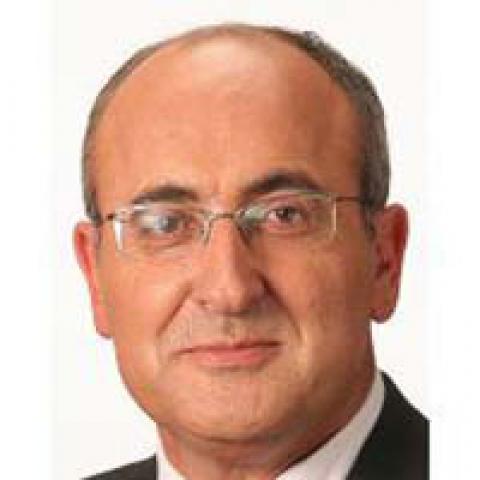

Two contrasting images sum up the story of Beit Shemesh following the Oct. 22 municipal elections. On the night of Oct. 29, thousands of secular residents took part in a raucous demonstration against alleged fraud in the results. At the same time, ultra-Orthodox Mayor Moshe Abutbul — elected for another term — stood at the head of a procession of hundreds of ultra-Orthodox who slowly marched from his home to one of the synagogues in the city, to take part in a ceremony installing a new Torah scroll. At the same dark hour in which the secular rose up against the attempt to “steal” the election from them — as they put it — the ultra-Orthodox celebrants were overcome with joy. They exuberantly sang, danced, drank and feasted, as they carried the new Torah scroll into the synagogue's hall.
These two simultaneous events symbolize more than anything the drama and culture war taking place in the city a week after the polls. The day after the election, hundreds of ID cards were found scattered at the entrance of a building in one of the ultra-Orthodox neighborhoods in the city. It quickly became clear that ID card holders had given them — for a fee — to young ultra-Orthodox men who, in turn, had distributed them among ultra-Orthodox voters. These voters then cast their vote a second time by using other people’s ID cards.
The election committee members did not notice the scam. Taking advantage of the uniform ultra-Orthodox appearance, hundreds of serial “voters” unlawfully voted more than once. The final result was so close — about 900 votes separated the two candidates — that the secular camp demanded new elections. Immediately after the abandoned ID cards were discovered the police stepped in and began a vigorous investigation. It brought the fraud suspects before a court, and several of them were arrested.
The municipal elections took place in about 200 towns across Israel on Oct. 22. Voter turnout was low and testified to a general apathy. Except for two cities — Jerusalem and Beit Shemesh — where the elections were portrayed as likely to determine their future character. On election night, the eyes of Israelis were turned to these two cities, since they represent the fragile coexistence between communities separated by a wide cultural abyss. Voters asked themselves whether the capital of Israel would maintain its secular character, whether it would fall into the hands of the ultra-Orthodox and for how long the secular and ultra-Orthodox would be able to live together despite their extreme differences.


