



The Legacy of the Ariel Settlement
The storm over recognition of the West Bank college of Ariel as a university put a dent in the life work of Ron Nachman, the legendary mayor of Ariel who sought to turn the secular settlement into an Israeli town.
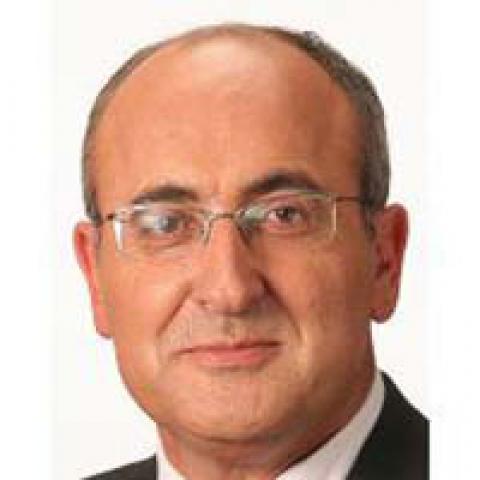

Back in 1978, when he climbed onto an empty rocky hill in the middle of Samaria, along with several friends, to establish a settlement on the site, the founder and lifelong mayor of Ariel, Ron Nachman, already knew that the settlement would survive only if it were portrayed to the public as a “normal” town in all respects. Just like the cities of Tel Aviv, Haifa or Raanana. Since that time he has worked tirelessly to gain a place for Ariel in the national consensus.
He was not deterred by the fact that Ariel was built in the very heart of the Occupied Territories. Whenever anyone described him as head of the settlement of Ariel, or the media dared combine the words “Ariel” and “settlement,” the hot-blooded mayor would rush to defend his protégée and rage against its detractors. Nachman was willing to go to any lengths to gain recognition for his town as a town like any other, rather than part of the settlement enterprise.
To advance his goal, he publicly disavowed any links between himself and the heads of other settlements. Whereas they wore skullcaps and the ritual fringes (tzitzit) dangled from their shirts, Nachman was bareheaded and conducted a totally secular lifestyle. When other settlements attracted young religious people to come live there, Nachman appealed to secular Israelis. Instead of establishing Jewish educational institutions such as yeshivas, cheders or kollels, he built schools and community centers and a swimming pool and a country club and a culture hall and sports centers and cafes.
And that’s not all. Nachman urged his Palestinian neighbors to cooperate in developing the region and invited them to work in Ariel, despite security concerns. The idea behind this move was a practical one: Ariel will survive a peace agreement with the Palestinians or a withdrawal from the territories, only if it is portrayed in the public eye as an Israeli town in every sense of the word.


