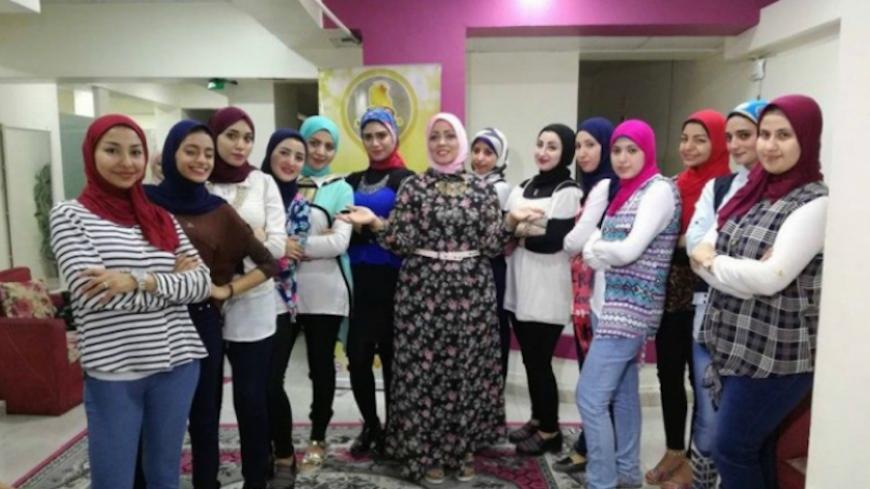
Elham Wagdi first walked into the small Miss Egypt office in Cairo in 2006 in dirty jeans and with paint in her hair. She had come directly from her university art class, not knowing what to expect. There were about 100 girls in 5-inch heels and sequined dresses in every corner of the space, practicing for their audition to become the next Miss Egypt, and hopefully, the next Miss Universe.
She overheard two girls advising each other on what to say. “Just tell him, ‘I want world peace,’” Wagdi remembered the girl telling her nervous friend. At that moment, she had a feeling she would not make it through to the next phase — she had just told the panel she was not interested in fame or even winning, but just wanted to try something new.
As it turns out, Youssef Spahi, who has been running the organization since 1998, was not looking for cookie-cutter answers.
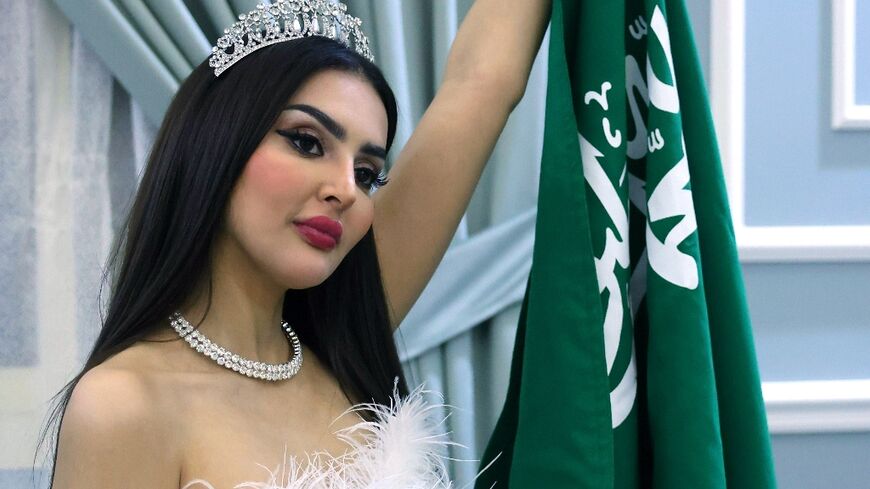
“Beauty pageants are not only criticized in Egypt,” he said in an interview with Al-Monitor. “Even in Italy, they criticize it because they see it as shallow. Especially for us, in the Arab world, it’s important that our girls go and change the image. Everyone thinks we have veiled women and they don’t study. I believe the beauty pageant is a very good way to change this image about women in the Middle East.”
AL-MONITOR All-Access gives you unlimited access to all our journalism, the full Daily Briefing, exclusive interviews, premium newsletters, and live events — for less than $2/week.