



Referendums to Put Pressure On Palestinian, Israeli Negotiators
The decision by Israel and the Palestinians to put any final deal to referendums will have a profound influence on the negotiation process.
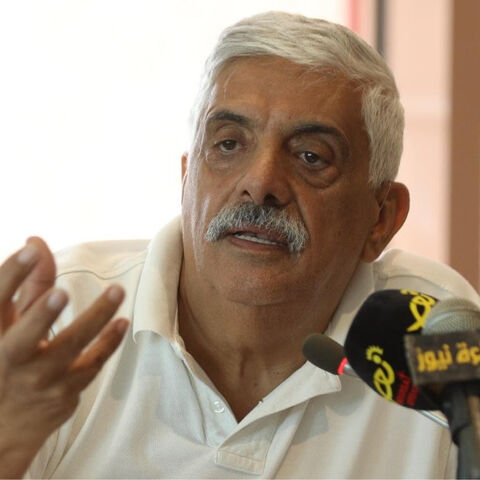

During the difficult reconciliation efforts between the Palestine Liberation Organization (PLO) and Hamas, a resolution was found to deal with the issue of talks with Israel, which the latter refuses to recognize. The Hamas leadership conceded that the PLO could negotiate with Israel provided that any agreement reached is put to a public referendum.
A similar decision to hold a referendum in Israel has also been agreed to by Prime Minister Benjamin Netanyahu and some of his right-wing coalition members opposed to a two-state solution. The Israelis' decision seems more unusual than the one by the Palestinians.
Normally, when leaders of sovereign countries reach a deal with a foreign entity, the executive branch initials the agreement and then the accord is ratified by a vote in the country’s legislature. That is what Israel did when Prime Minister Menachem Begin signed the landmark Camp David agreement with Egypt in 1978 and what Prime Minister Yitzhak Rabin did when he signed the memorandum of understanding with the PLO in 1993 and the Wadi Araba peace agreement with Jordan in 1995. The Jordanian parliament approved the latter as well.
Even though the people are the source of authority in a democracy, it is not clear whether resorting to a national, popular referendum is a sign of strength or weakness by political leaders.


