



Baghdad Nightlife Cloaked in Fear
Amid curfews and an unstable security environment, Iraqis in the nightlife business live in constant fear of militia attacks, security raids and customer brawls.
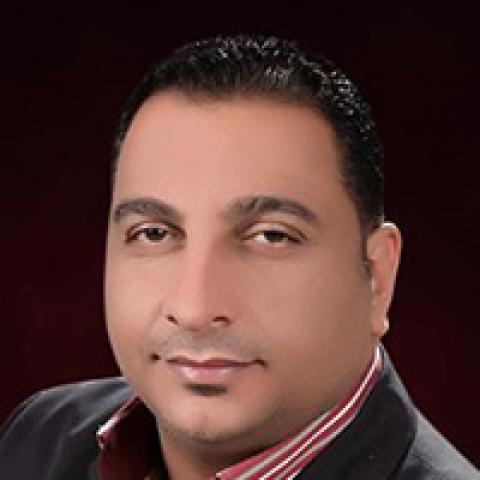

Ali al-Karadi owns a share in several nightclubs in Baghdad. He drives to his venues after midnight, and with the start of the curfew, carries a special permit for artists and singers who are allowed to commute at that hour.
Karadi recently resumed work after Ramadan, during which nightclubs and liquor stores close. He is not sure, however, if his business can survive in light of Ramadan attacks on a number of Baghdad cafes on the ground that they spread vice. Karadi said with concern, “If they have attacked cafes that serve tea and shisha, what will they do to us?"
In September 2012, heavily armed security forces descended on nightclubs and other social establishments in Baghdad. They were closed under the pretext that they lacked official permits to conduct business.
Karadi told Al-Monitor from Baghdad on Aug. 9, “The government does not issue such permits. The local government in Baghdad municipality has delegated the responsibility of granting permits to the tourist police, and the latter has delegated the responsibility to the Ministry of Tourism." He explained, “No one in Iraq, be they a politician or administrative official, assumes the responsibility of issuing permits to open nightclubs, or even liquor stores, since the religious parties that dominate the state fear that such an act would be used against them by political opponents.”


