



PLO Pushes for Greater Jordanian Role in Peace Talks
The Palestinian leadership strengthens its cooperation with Jordan as it continues talks with Israel.
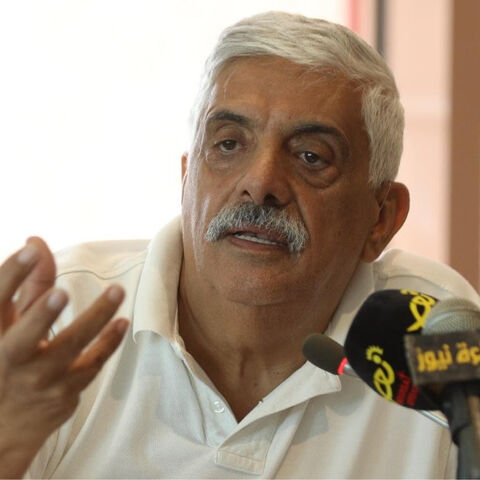

An already strong alliance between the Jordanian and Palestinian leadership was made even stronger over the weekend. Senior Palestinian negotiator Saeb Erekat made an unusual public pledge on Aug. 24 by declaring that every document the Palestine Liberation Organization (PLO) plans to submit to the Israelis in negotiations will be first shown to Jordan. Also pledged was that every document the Israelis present will also be passed onto Amman.
What makes this alliance so strong?
Palestinians, who have so far failed to acquire any role for the Quartet in the current talks and have even failed to secure a US presence inside the negotiating room, are now seeking a role for Israel’s best existing Arab peace partner. Israel has signed two peace treaties with Arab states: Egypt in 1979 and the Hashemite Kingdom of Jordan in 1994. Peace with Egypt has been described as cold, and has been further sidelined by the changes in Cairo since the Arab Spring. With Jordan, which has the longest border with Israeli-controlled areas, the peace treaty has been solid and relations have been stable.
Jordan also has standing when it comes to a number of permanent status issues in the ongoing negotiations. The West Bank — which Israel and the Palestinians are negotiating — was captured by Israel in 1967 from Jordan, which had annexed the West Bank in 1950. Any agreement on borders between Israel and the PLO will have a direct effect on Jordan, which since 1967 has controlled the single point of entry with the West Bank, the King Hussein (Allenby) Bridge.


