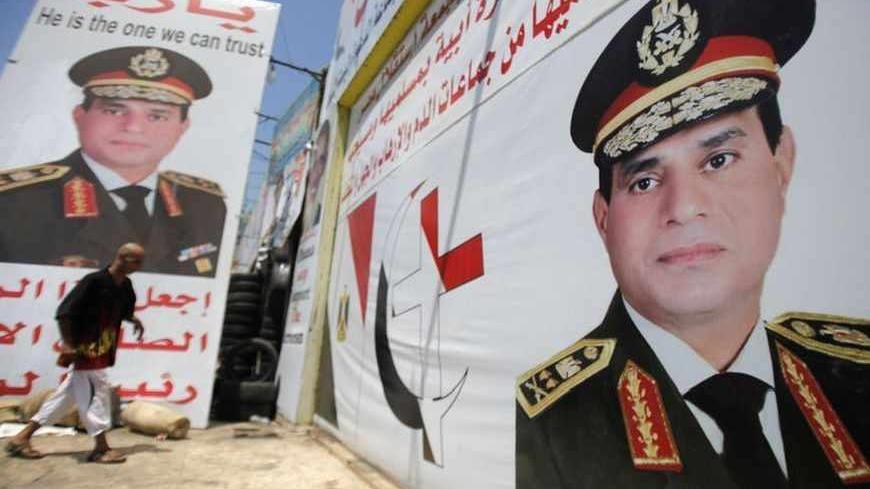
Revolutions rarely empower those who make them. So it has been throughout history, and so may it be in Egypt as well. Under the leadership of a reinvigorated military establishment, Egypt is embarking on a path at odds with the uncertain promise of its brittle democratic revolution.
The Barack Obama administration is awkwardly and uneasily making its peace with this new Egypt, where the deep state is pushing aggressively against the fragile veneer of civilian rule that it has put in place. Anne Patterson, US ambassador to Egypt, has unfairly become a lightening rod for virtually everyone in Egypt and many in Washington unsatisfied with Egypt’s sorry predicament. In the months before Washington decided that President Mohammed Morsi’s ouster was not a coup, Patterson was an unspoken and unapologetic advocate of what must have seemed at the time to be an unremarkable and indisputable set of self-evident truths taken from the Obama administration’s standard democratic playbook.
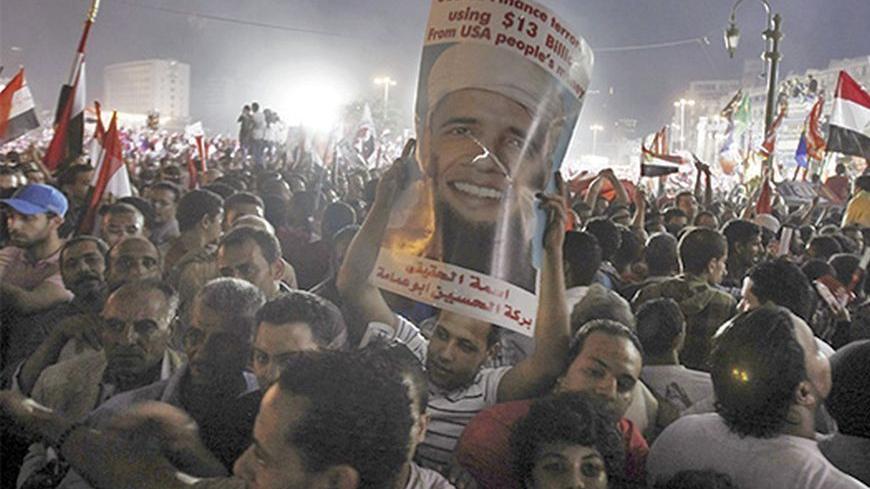
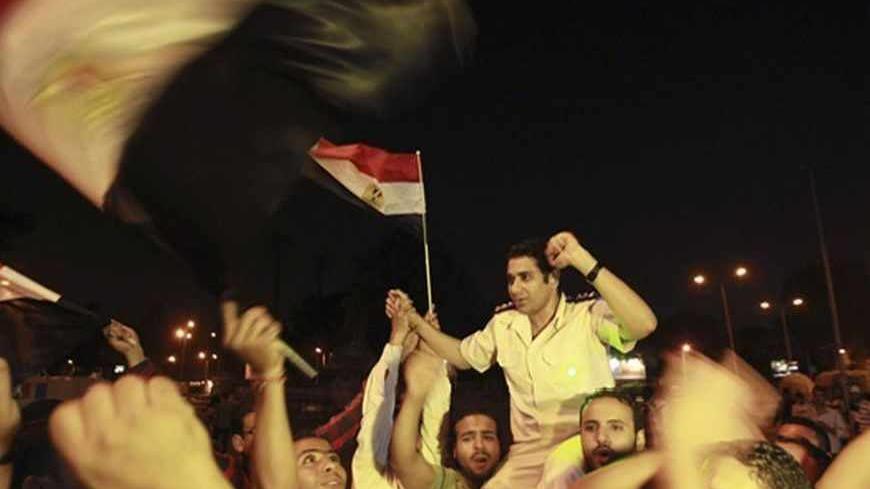
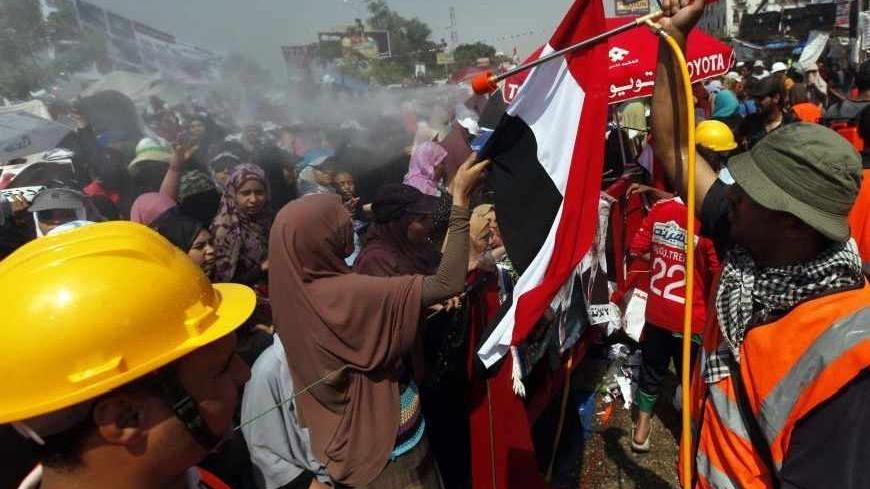
She opposed Tamarod’s prescription of resolving Egypt’s ills by taking to the streets to recall the president. “Some say that street action will produce better results than elections,” she told a Cairo audience at the Ibn Khaldun Center on June 18. “To be honest, my government and I are deeply skeptical.”
These remarks received the most notice, but stronger statements made two months earlier also deserve close attention. At the Gezira Club on April 28 in Cairo, she argued against the overt return of the military to the public square. “I want to talk for a few minutes about how Egypt is doing nearly one year after the military handed over power to an elected civilian president,” she said to the audience. Patterson continued,
AL-MONITOR All-Access gives you unlimited access to all our journalism, the full Daily Briefing, exclusive interviews, premium newsletters, and live events — for less than $2/week.