



Will Sheikh Tamim Rebalance Qatar’s Foreign Policy?
In the first article of a two-part series, Qatar’s new emir will likely follow his father's course, but Qatar’s may be forced to adjust its approach to international affairs.
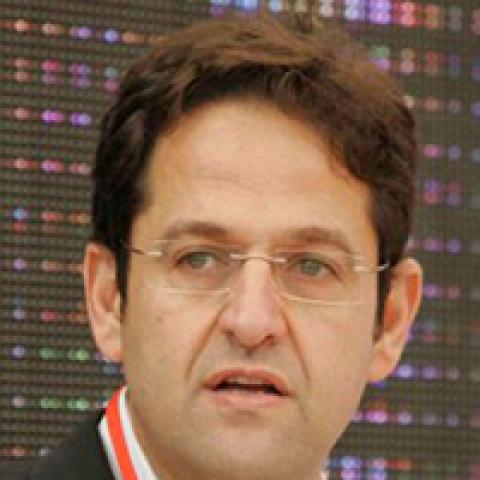

Part Two: Emir Replaces HBJ as Head of Qatar Investment Authority
The handing over of power in Qatar to Sheikh Tamim bin Hamad bin Khalifa Al Thani is not a fleeting event in terms of its timing and what it means regarding changes in Qatari foreign policy and their impact on the Middle East. Needless to say, the small emirate of Qatar has played important roles during Hamad bin Khalifa Al Thani’s 18-year reign.
Despite its small population, Qatar has hosted political and economic conferences and has become a hub for world-class universities. All that has given it the international legitimacy and prestige to become a prominent player on the regional scene. Qatar has at times served as a mediator for reaching settlements, like for Afghanistan, Sudan and Lebanon. At other times, Qatar took leading roles in Arab military revolutions where it provided the revolutionaries with media support and arms. It also supported Islamist organizations, as was the case in Libya and Syria.
Qatar could not have played this pivotal role were it not for its economic power. Qatar has a strategic natural gas stockpile of 500 trillion cubic meters, the third-largest in the world. Qatar produces 77 million tons of gas per year. Sheikh Hamad and his team worked on two tracks to increase the emirate’s economic capabilities: They developed Qatar’s oil infrastructure and they diversified the country’s income sources by investing abroad. Qatar’s GDP increased from $29 billion to $200 billion. That was Qatar’s main pillar of strength in the international arena.


