



Hamas, First Victim of Egypt Revolt
Hamas will be the first group to pay a high price in the wake of Mohammed Morsi's and the Muslim Brotherhood's collapse in Egypt.
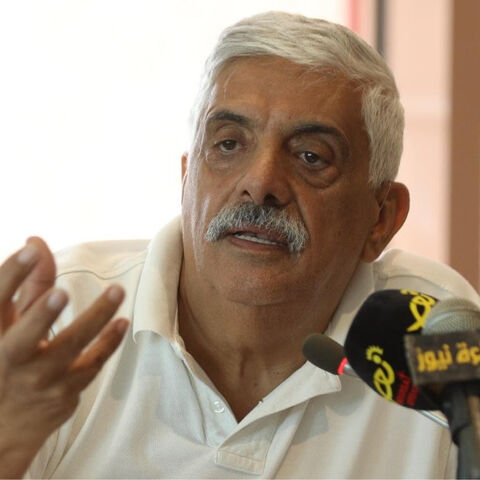

Hamas stands to be the major loser in the latest popular revolt in Egypt, which pits millions of Egyptians against now deposed President Mohammed Morsi and the Muslim Brotherhood.
The Islamic Resistance Movement, known for its Arabic acronym Hamas, a year ago welcomed Morsi’s election. Both Hamas and Morsi ideologically belong to the same Islamist movement, the Muslim Brotherhood, although there is no organizational link between the two groups. In fact, contrary to conventional thinking, Hamas and the Morsi administration have had a rocky relationship despite their ideological closeness. Many Egyptians accuse Hamas of responsibility for the killing of 16 of its soldiers in August 2012 near the Gaza-Egypt border. Egypt's government-controlled al-Ahram observed as late as April that Egyptian support for Hamas was declining.
Reports that some 7,000 Hamas militants were in Egypt to support the Brotherhood circulated in the media despite persistent denials by Egyptian as well as Hamas spokesmen. Like Hezbollah, Hamas is accused in Egyptian courts of engineering the jailbreak of several senior Muslim Brotherhood leaders, including Morsi, in 2011.
Egyptians also believe that Hamas members have been the key source of instability in Sinai. In April, Egyptian soldiers and officers were abducted there, and Hamas was accused of involvement. Although Hamas denies the allegations, they persist, putting Hamas officials on the defensive.


