



Republican Congressman King Opposes US Arms to Syrian Rebels
Congressman Peter King of New York discusses US policy toward Syria and the Middle East.
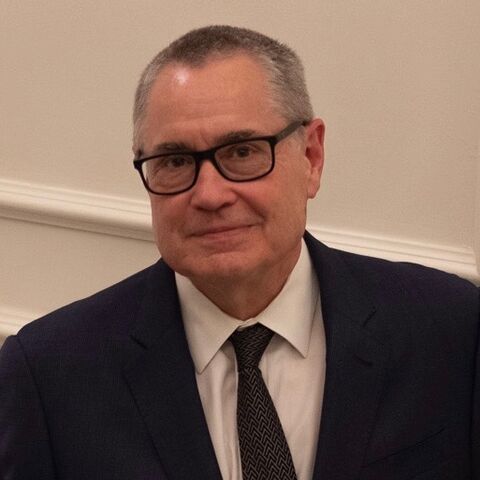

Congressman Peter King, chairman of the House Homeland Security Sub-Committee on Counterterrorism and Intelligence, opposes providing US arms to Syrian rebel forces because of the growing influence of Jabhat al-Nusra and al-Qaeda affiliates among them.
“I don’t support giving aid to the rebels,” King said in an exclusive interview with Al-Monitor in his Washington office June 4.
Syrian President Bashar al-Assad, King explained, “is somewhat of a danger to the region as an evil dictator with weapons of mass destruction. But my concern with the rebels now is that al-Nusra and the al-Qaeda affiliates, the al-Qaeda supporters, are right now in a very strong position within the rebel movement. There are foreign fighters coming from Europe through Turkey and you have jihadists from all over the region coming out to fight. And whether or not they are in the majority, they are the best trained and the best organized.”
King, who also serves on both the House Financial Services Committee and the Permanent Select Committee on Intelligence, added, “In most ways an al-Qaeda government, or an al-Qaeda supporting government in Syria, is more dangerous to us than Assad is.”


