



Palestinian Female Prisoners Suffer Abuse in Israeli Jails
Former Palestinian female prisoners in Israel recount their experiences, which often include assault at the hands of Israeli prison guards.
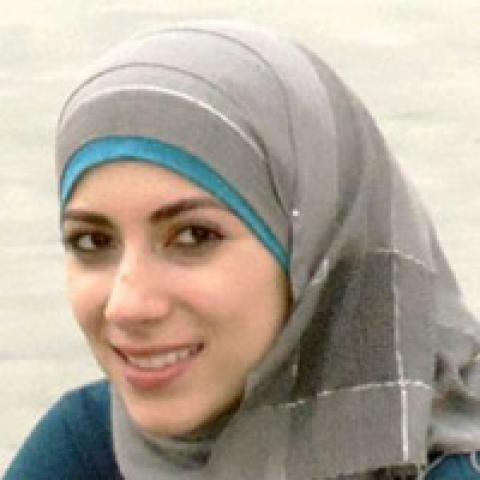

In October 2009, Sumoud Karajeh stabbed an Israeli soldier at Qalandiya checkpoint, the main military barrier that separates the West Bank from Jerusalem and the 1948 Palestinian territories. Karajeh was arrested on the spot and, after a lengthy interrogation, was sentenced to 20 years in prison for attempting to kill a soldier.
Now 25, Karajeh lives with her family in the village of Saffa, near Ramallah, one of the more than 1,000 prisoners released in exchange for one Israeli soldier in the October 2011 prisoner swap between Hamas and Israel. Yet the memories of the difficult two years she spent in an Israeli prison will forever be seared in her mind.
“A child throwing a rock at the occupation won’t liberate Palestine,” Karajeh said in an interview with Al-Monitor. “Stabbing a soldier won’t liberate Palestine. My act stemmed from the need to forcefully assert to the occupiers that we still exist, we are still present, and we will continue to resist.”
Currently, 16 Palestinian female prisoners are held in one Israeli prison complex, Hasharon. The prison was built during the British Mandate years, and is known for its poor ventilation, clamminess and insect infestation. Besides housing the Palestinian female security prisoners, the complex is divided into a compound for juveniles and one for Israeli female civilian prisoners.


