



Davutoglu Cautiously 'Not Pessimistic' On Syria
Turkish Foreign Minister Ahmet Davutoglu says US-Turkish policies on Syria are now synchronized.
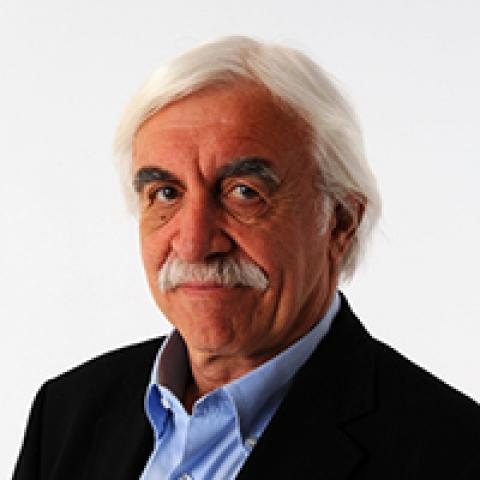

Listening to Foreign Minister Ahmet Davutoglu in a hall of a five-star hotel in Istanbul, I was thinking how diplomacy is in a way a dance of words, and differences of opinions on how that dance should be choreographed affects the fate of millions of people and could cost thousands of lives.
Following the increasing pace and intensity of criticisms directed against Turkey’s Syria policy following the car bombs in the border town of Reyhanli on May 11 and Prime Minister Recep Tayyip Erdogan’s Washington visit and meetings with US President Barack Obama on May 16, Davutoglu did something he had been neglecting for some time. He invited about 20 columnists and opinion leaders to the Conrad Hotel in Istanbul and spoke to them for a full three hours on Turkey’s Syria policy — step by step, phase by phase. As we were leaving the hall, I said to an adviser of the minister that I was expecting to be called to breakfast the next morning to continue discussing Syria.
Davutoglu’s bottom line was that Turkey had never pursued a Syrian policy that put the military option first. To the contrary, it had always given priority to the diplomatic option, so much so that its policy in 2011 had defended Syrian President Bashar al-Assad to the extent of being perceived as appeasement. In 2012, when Turkey began calling for Assad’s departure, it was still promoting the idea of Assad supervising the transition phase.
This is not what Turkey advocates now. Ankara does not want Assad to preside over the transition period. Davutoglu thinks that "for a man responsible for shedding the blood of 100,000 people to continue ruling is not ethically and politically possible even in a transition period." Moreover, he does not think this is a realistic option because the Syrian opposition which has to have a part in the transition will not accept it.


