



Mayor Plans to Limit Arab Growth in Nazareth
Mayor Shimon Gapso tells Daniel Ben Simon he intends to limit the proportion of Arab residents in Upper Nazareth.
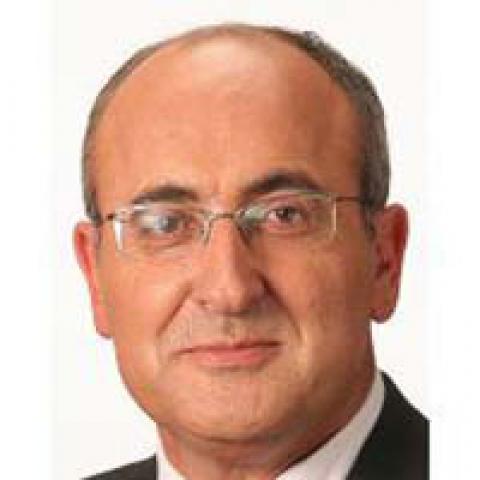

UPPER NAZARETH, Israel — In the office of Shimon Gapso, mayor of Upper Nazareth, they feel as if they were under siege. Lately, Gapso has found himself in a struggle with Jewish and Arab residents who accuse him of racism. The latter are infuriated by Gapso's refusal to approve the establishment of an Arab school in the city.
In recent years, Upper Nazareth has changed its face. Thousands of new immigrants from the Commonwealth of Independent States [the former Soviet Union republics] settled in the city, rendering it into “a small Russia.” The influence of the new immigrants is evident in every aspect of life in the city — in the economy, trade and everyday life. Almost every other resident of Upper Nazareth speaks Russian. The Russian Jews maintain close ties among themselves and insist on using their native language as if it were the local official language.
The new immigrants joined the first inhabitants of the city, many of whom had immigrated to Israel from North Africa and kept on speaking French and Arabic even after integrating into Israeli society.
Alongside the new immigrants and the veteran ones, Arabs from nearby villages and towns began flocking to Upper Nazareth. They sought to improve their quality of life, enjoy the upgraded municipal services offered by the city and find their place in the local Jewish society. Their integration in the urban environment was smooth. They encountered no opposition on the part of the Jewish residents or the local municipal authorities. Many of them settled in new neighborhoods, while others made their home in the Jewish parts of the city, mingling with the veteran inhabitants and the new immigrants.


