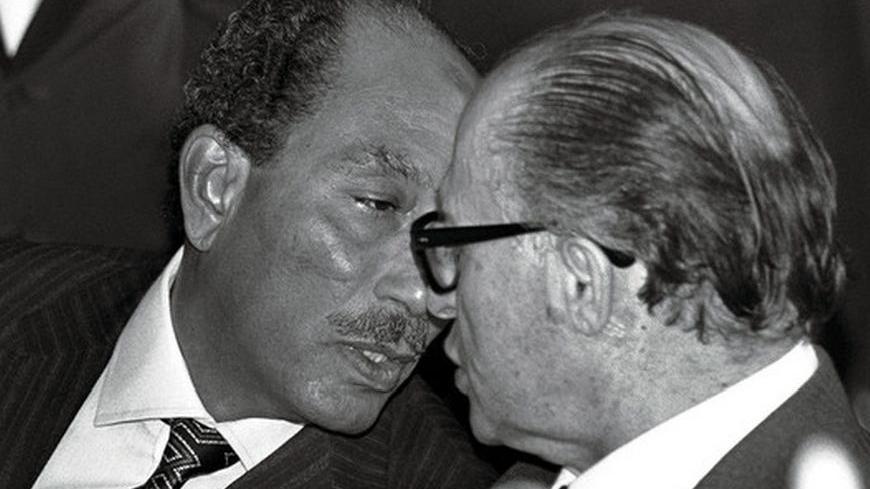
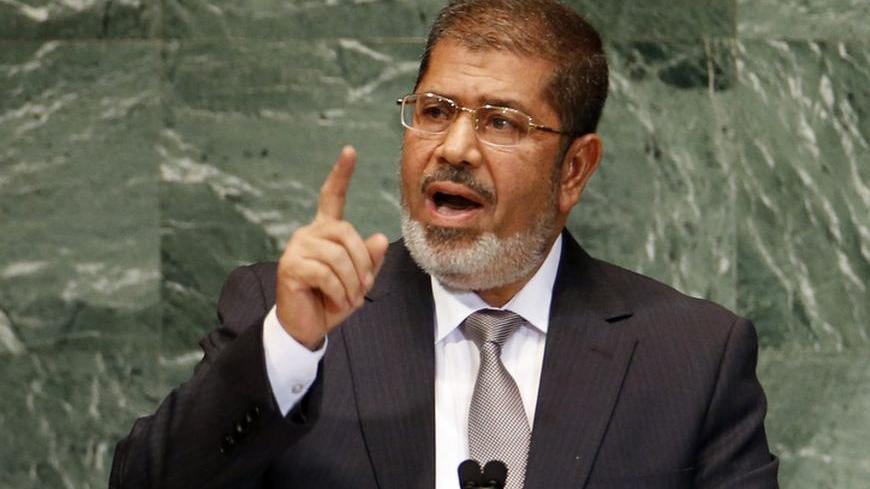
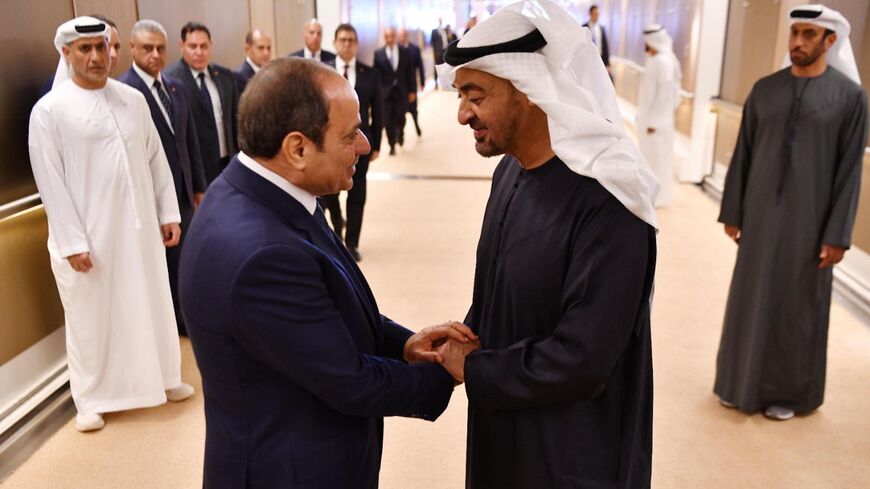
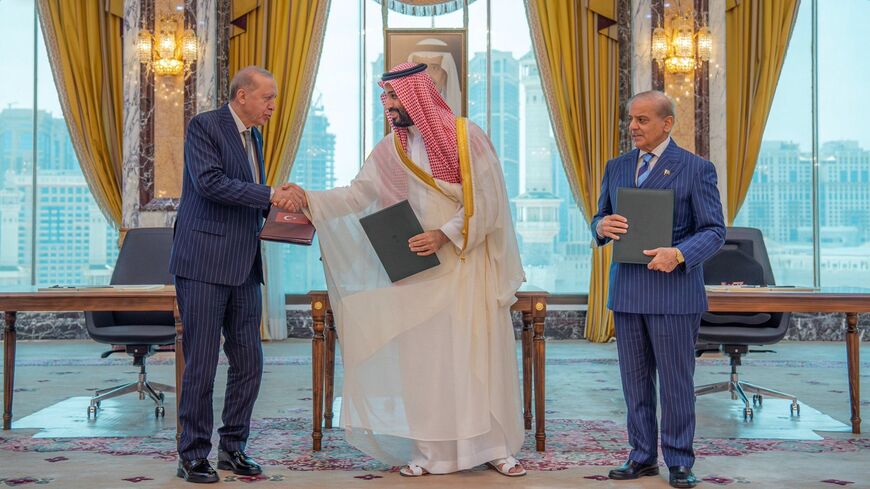
For more than 33 years, the peace treaty between Egypt and Israel has been one of the most long-standing political realities in the Middle East. In a sense, it might be deemed the pillar of regional order. The treaty involves both Egypt and Israel, along with the United States as a guarantor. Since its inception, the treaty has been a trilateral reality. This has proved to be of crucial significance.
For a long time, Egypt has vehemently resisted any people-to-people type of relations with Israel, and the relationship has primarily been based on security commitments and arrangements. During the final years of Mubarak's rein, the collaboration between the Egyptian and Israeli intelligence services reached unprecedented levels. The Israeli unilateral withdrawal from Gaza in 2005 brought the two countries closer together in the face of a threat of unleashed Islamists emanating from the Gaza Strip.
After the Egyptian Revolution in January 2011, both the Supreme Council of the Armed Forces in Cairo and the Likud government led by Netanyahu in Israel managed to protect (or safeguard) the fundamentals of the Egyptian-Israeli relationship, as they kept the treaty and security commitments it entailed quite intact. Both parties shared an interest not to rock the boat during the delicate transitional period in Egypt.
Although Netanyahu was probably one of the first leaders to use the term “Islamic winter” when referring to the “Arab Spring,” he was adept enough to contain potentially serious crises with Egypt, such as the cross-border attacks in Eilat in August 2011 and the storming of the Israeli Embassy in Cairo by an angry mob in Sept. of the same year. As a matter of fact, relations with Egypt after the revolution were managed in the least partisan way. Egypt was deemed a top security issue that transcended petty politics. It is one of the rare cases where Kissinger’s famous saying about Israel not having a foreign policy, only a domestic one, was proved wrong.
AL-MONITOR All-Access gives you unlimited access to all our journalism, the full Daily Briefing, exclusive interviews, premium newsletters, and live events — for less than $2/week.