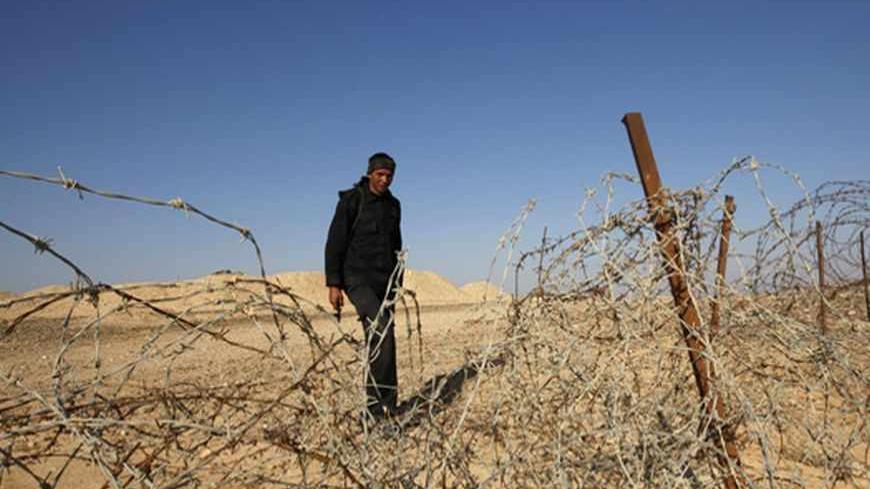
For many reasons, the concept of state collapse is not strange to the Middle East. In many of its countries, the modern state is a relatively new and alien concept brought to the region during the era of colonialism. No wonder, then, that state collapse and secessionism have afflicted some countries in the region. Lebanon during the civil war (1975-1990) and Somalia since 1990 are clear cases in point. Syria is already on the way to total state collapse.
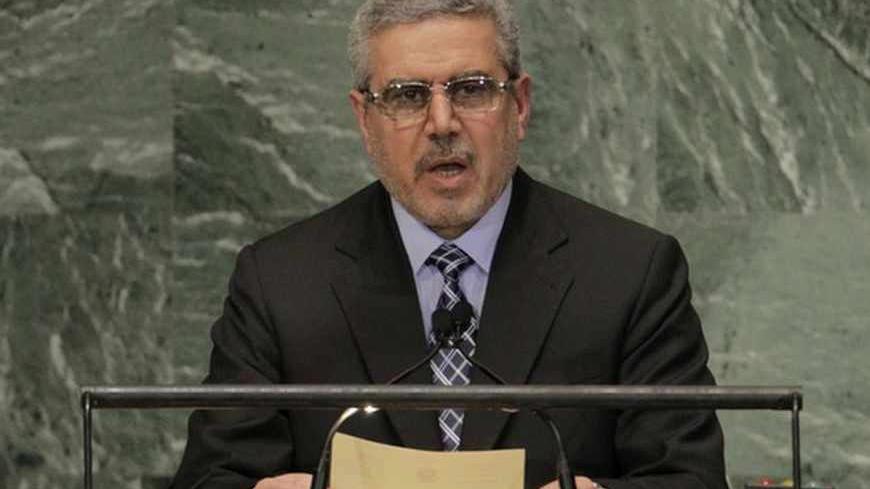
Egypt used to be considered an exception to this reality of state fragility in the Middle East. It has been one of the longest-existing political entities throughout history. Therefore, many may dismiss the possibility of state collapse in Egypt as mere exaggeration. Interestingly enough, Egypt’s defense minister does not seem to be one of those who think the idea is totally preposterous. In January, referring to the political crisis and the deteriorating security situation, he said the “current unrest may lead to state collapse.”
“Egypt is too big to fail” has become the newfound mantra repeated by many to reject prospects of total collapse. But what if Egypt is too big to save? What if the inherent weaknesses of state and society in Egypt reach a point where the country’s political, social and economic systems no longer function?
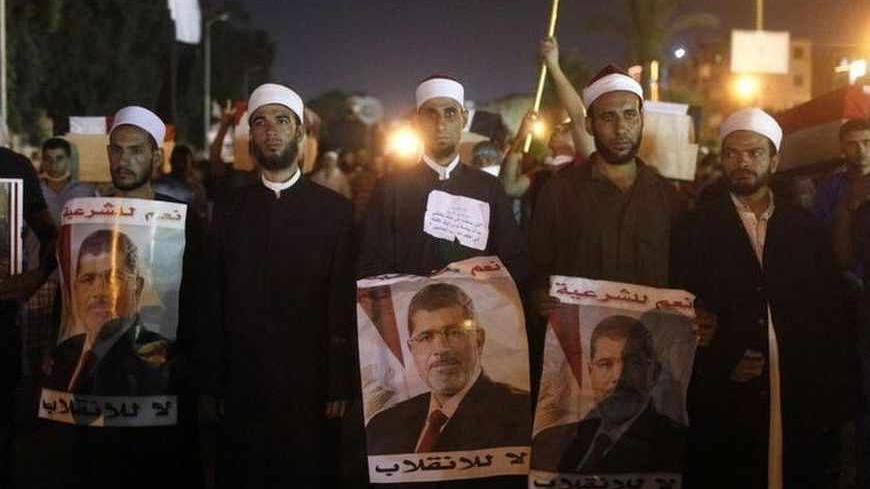
One way to look at the current situation in Egypt is to invoke what took place in other countries transitioning to democracy after protracted periods of totalitarian rule. Chaos and state weakness are typical of transitional periods. However, this might not be the case in Egypt. Symptoms of state failure can be easily traced back into the 2000s, and even further back. The uprising in January 2011 only brought to the fore and accelerated an ongoing process.
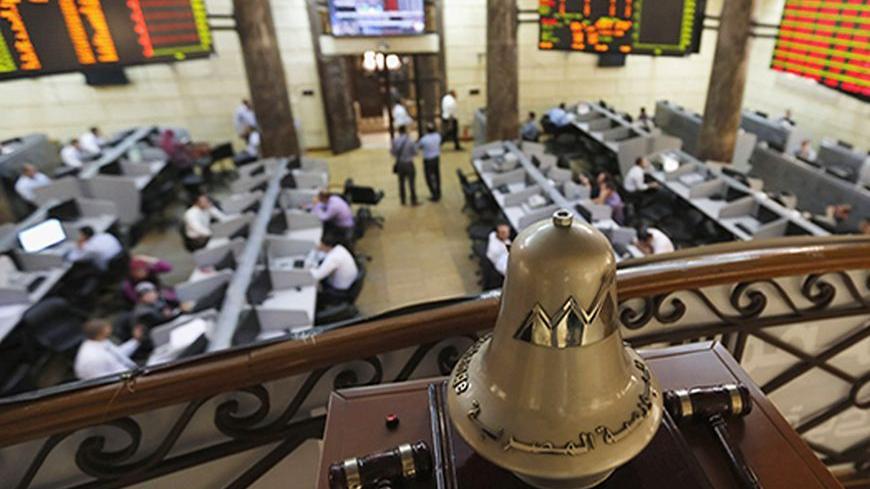
Instead of addressing deep and serious problems, the political system – forged in 1952 and substantially unchanged since — was designed to prevent social and economic crises from turning into deadly catastrophes. Nevertheless, keeping the status quo was no easy task in a populous country such as Egypt. It entailed maintaining and persistently enhancing two major structures. The first was an all-pervasive security apparatus that has been assigned with the micromanagement of a variety of issues ranging from monitoring and steering political life to the recruitment of junior staff members in academia. The second was an economic system inherited from the socialist era in the 1960s, and characterized by a bloated bureaucracy comprised of millions of civil servants, in addition to a generous system of subsidies for staples and energy. Together, the security apparatus and the state-controlled economic system constituted the pillars of stability in Egypt. Today, those two pillars are on the verge of collapse, and therefore the temple is shaking in an alarming way.
AL-MONITOR All-Access gives you unlimited access to all our journalism, the full Daily Briefing, exclusive interviews, premium newsletters, and live events — for less than $2/week.