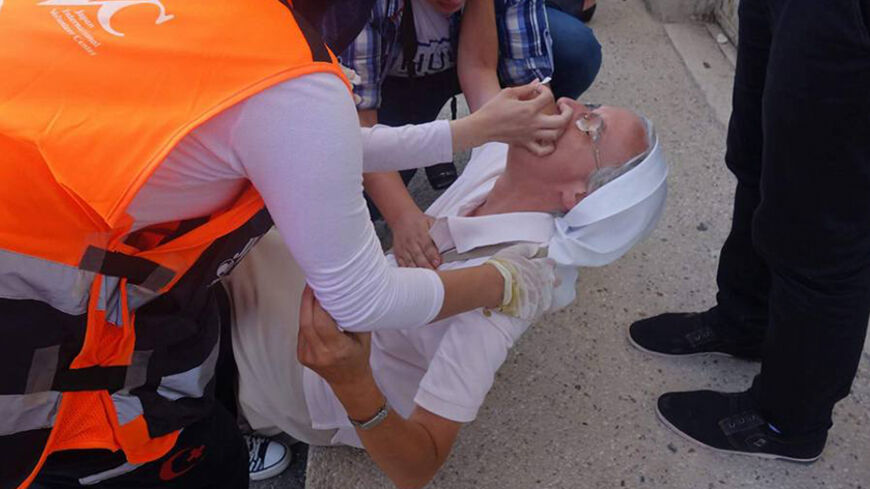
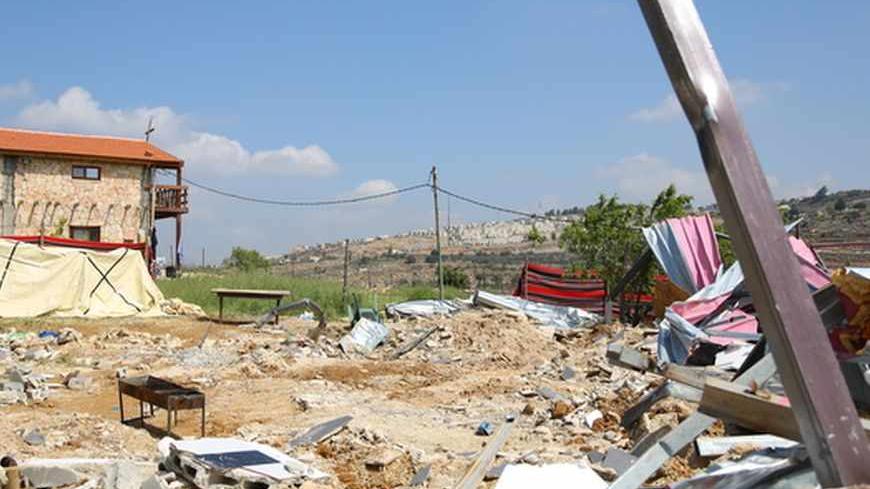
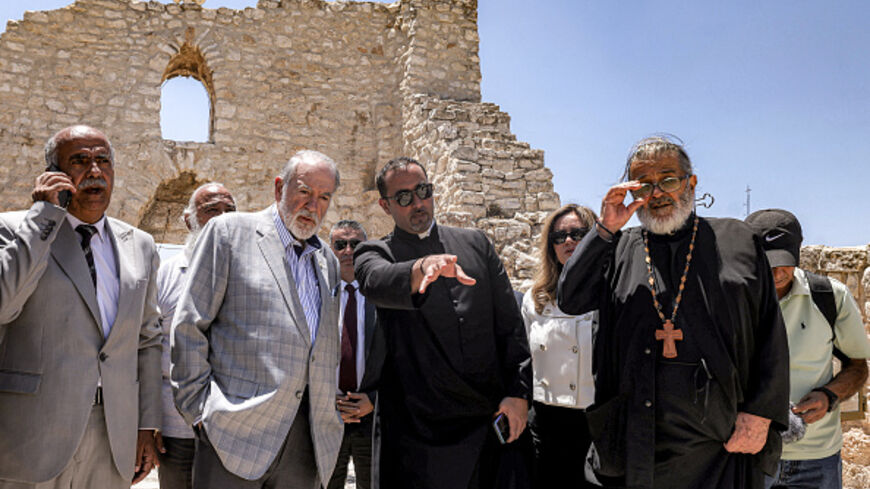
After a seven-year legal battle, the Silesian nuns convent located in the Palestinian town of Beit Jala lost an appeal on April 24 against the building of the Israeli wall on its land. The latest route of the wall will place the convent on the Palestinian side of the wall, and its companion Cremisan Catholic monastery on the Israeli side. It will also take up most of the Church’s lands as well as that of 58 families, most of them Palestinian Christians.
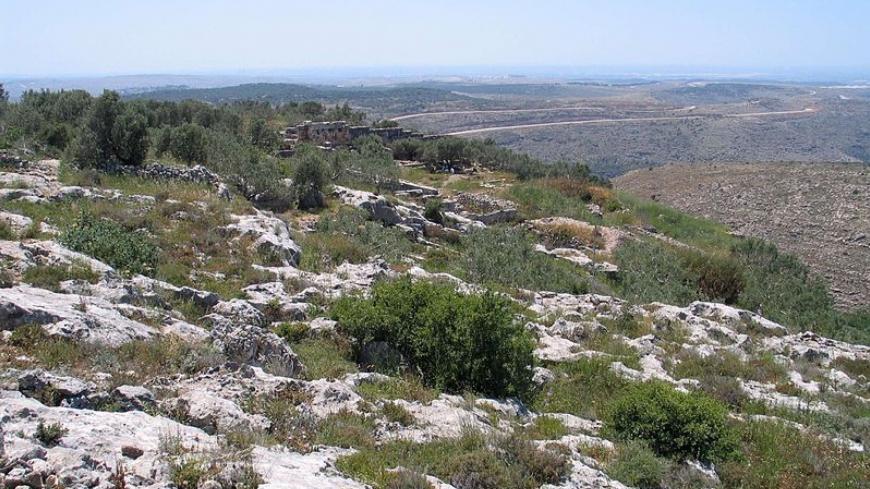
According to a news release issued by the human rights organization that joined the lawsuit, the Israelis will place an agricultural gate that will be open at certain times of the year to allow the Church to tend its land. For decades, the Cremisan monastery has produced wine [from grapes] grown in the Cremisan Valley. Reports from Palestinian officials note that the latest decision will deny Palestinians the only remaining green area. Bethlehem city officials say that as a result of the 47-year- old occupation of Palestinian lands, the city has been dramatically shrunk from its original size.
The Society of St. Yves, a Catholic human rights organization working in Jerusalem, said that while they rejected the existence of the wall they were successful in getting the wall rerouted to keep the convent buildings that service the local population on the Palestinian side of the rerouted wall. The Israelis have declared that they will be flexible in issuing permits to Palestinians to farm their lands on the other side of the concrete wall.
Unlike other routes of the Israeli wall which has been declared illegal by the International Court of Justice, the route around Bethlehem is cutting off Palestinians from East Jerusalem, which is an occupied city, despite the unilateral Israeli annexation of that city.
AL-MONITOR All-Access gives you unlimited access to all our journalism, the full Daily Briefing, exclusive interviews, premium newsletters, and live events — for less than $2/week.